Special Correspondent
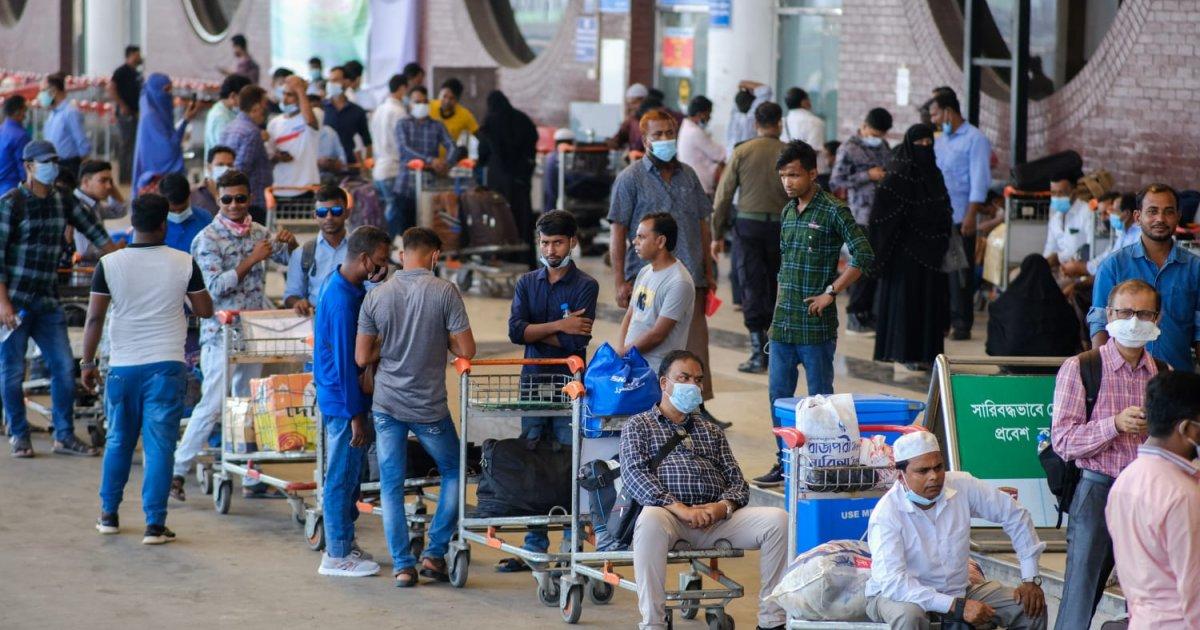
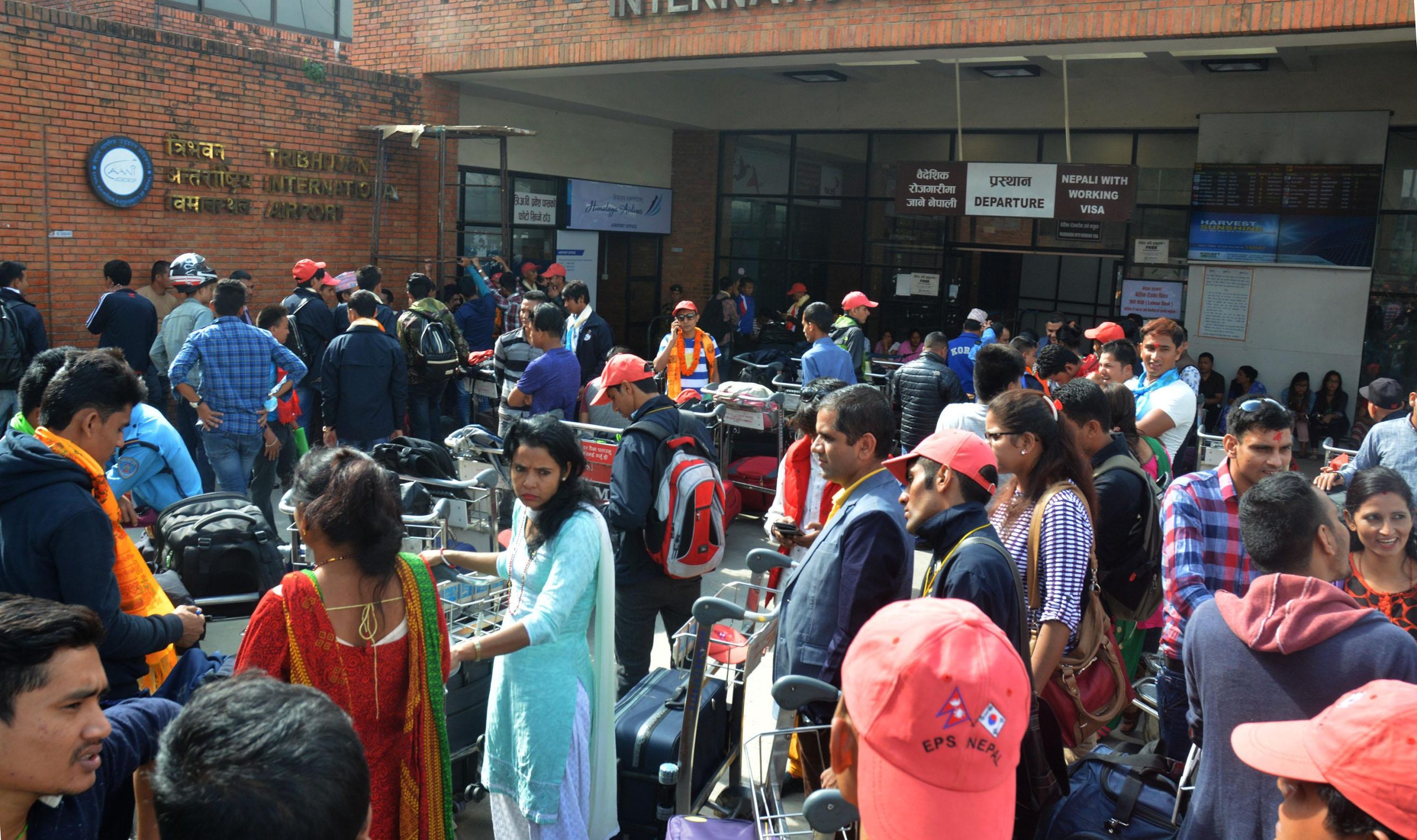
After more than two years of suspension, Malaysia is preparing to reopen its labour market to Bangladeshi workers, but key details of the new recruitment mechanism remain unresolved, raising concerns among recruiting agencies and migration experts.
The main concern is whether the new arrangement will ensure equal access for eligible recruiting agencies or allow a small group of agencies to control job orders and recruitment, as happened during the previous recruitment phase.
Under the proposed system, 338 Bangladeshi entities will be involved in recruitment — 25 principal agencies selected by Malaysia, 312 associate agencies and the state-run Bangladesh Overseas Employment and Services Limited (BOESL). The ministry has said the 25 agencies were selected by Malaysia from a list of 423 agencies prepared by Bangladesh.
However, how the 312 associate agencies will actually operate remains unclear.
The Foreign Workers Centralised Management System (FWCMS), the digital platform used for foreign-worker recruitment in Malaysia, is expected to remain central to the process. Expatriates’ Welfare and Overseas Employment Secretary Md Mokhtar Ahmed said Bangladesh sent a note verbale to Kuala Lumpur on September 14 seeking details of the recruitment mechanism, but had yet to receive a response as of September 17.
“We will evaluate Malaysia’s FWCMS or Bestinet when the Malaysian government tells us through what process they will recruit our workers,” Mokhtar said.
The ministry has said administrative preparations are underway and the final recruitment mechanism will be announced after it is settled. It has also warned prospective workers not to pay money, undergo medical tests or hand over passports until official instructions are issued.
Questions over role of 312 agencies
Recruiting agencies are particularly concerned that the 312 associate agencies could remain dependent on the 25 principal agencies for job orders and worker processing.
According to ministry sources, each of the 25 principal agencies is currently linked to 10 associate agencies, while another 62 associates are attached to BOESL. The associates are expected to be able to send workers after receiving approval from the relevant principal agency or BOESL.
A group of former leaders and members of the Bangladesh Association of International Recruiting Agencies (BAIRA) submitted a memorandum to the ministry on September 16, demanding direct access to the recruitment system for all 312 associate agencies.
They sought separate FWCMS IDs and passwords for the agencies and demanded that they be allowed to send workers against their own job orders. They also called for all ministry-approved medical centres to be allowed to conduct medical examinations for Malaysia-bound workers.
Mohammed Fakhrul Islam, former joint secretary general of BAIRA, expressed concern that the 312 agencies could have little practical role if they have to operate through the 25 principal agencies.
A similar limited-agent system was used during the 2022-24 recruitment period. At that time, job orders from Malaysian employers were routed through 101 Bangladeshi agencies, even when other licensed agencies secured the orders. Malaysia subsequently stopped recruiting Bangladeshi workers on May 31, 2024.
Migration cost remains a major concern
The potential cost for workers is another major issue.
Recruiting industry sources have warned that migration expenses could exceed Tk 6 lakh, depending on airfare, visa, platform and processing charges. One agency owner familiar with the FWCMS process said agencies might have to pay around 7,000 Malaysian ringgit for each visa, which could add significantly to workers’ costs.
Between 2022 and 2024, about 4.5 lakh Bangladeshis went to Malaysia, while their average migration cost was reportedly around Tk 5.44 lakh, despite an officially fixed cost of Tk 78,990. Industry sources attributed the additional expenses to job-order payments, syndicate charges and intermediary fees.
Recruiters reportedly paid around Tk 1.07 lakh per worker to syndicate leaders and about Tk 1.60 lakh to middlemen for demand letters, with the latter reportedly reaching Tk 2 lakh in some cases.
At least 16,970 workers who had obtained clearance from the Bureau of Manpower Employment and Training, valid visas and air tickets could not travel to Malaysia before the previous recruitment deadline.
Shariful Hasan, associate director of BRAC’s Migration Programme and Youth Platform, said the recruitment process should clearly identify who controls job orders, what workers are required to pay and who will be held responsible for irregularities.
Agency capacity questioned
There are also questions over whether all agencies included in the new arrangement have adequate experience and infrastructure to handle large-scale recruitment.
A recruiting agency owner claimed that some listed agencies have limited experience and operate from very small offices. According to the source, at least four agencies had sent fewer than 1,000 workers after obtaining their licences, while some had experience of sending only around 360 workers.
Malaysia’s original selection criteria, announced in November 2025, required agencies to have at least five years of experience, a record of sending at least 3,000 workers to three countries over five years, a permanent office and an in-house training centre.
The requirements concerning experience, office space and training facilities were later relaxed at Bangladesh’s request, according to ministry sources. Agencies accused of human trafficking or criminal activities remain ineligible, the sources said.
Government promises safeguards
The government has said it wants the reopening to take place through a transparent process.
Malaysia has agreed to initially recruit 10,000 Bangladeshi workers under a “zero-cost” arrangement, with the first batch expected to travel on special charter flights through BOESL without airfare or other migration-related costs, according to the ministry.
Meanwhile, Expatriates’ Welfare and Overseas Employment Minister Ariful Haque Chowdhury has warned recruiting agencies not to collect money or passports from workers before the government issues formal instructions.
He said protecting migrant workers was a priority and warned that legal action would be taken against agencies involved in illegal practices.
The reopening therefore hinges not only on when Malaysia formally resumes recruitment but also on whether Dhaka and Kuala Lumpur can establish a clearly defined system that provides transparent access to job orders, controls recruitment costs and prevents the concentration of recruitment in the hands of a limited number of intermediaries.