Dhaka 10:45 pm, Sunday, 16 August 2026
Bangla

Bangladeshi Workers in Malaysia Face Uncertainty After Recruitment Fraud

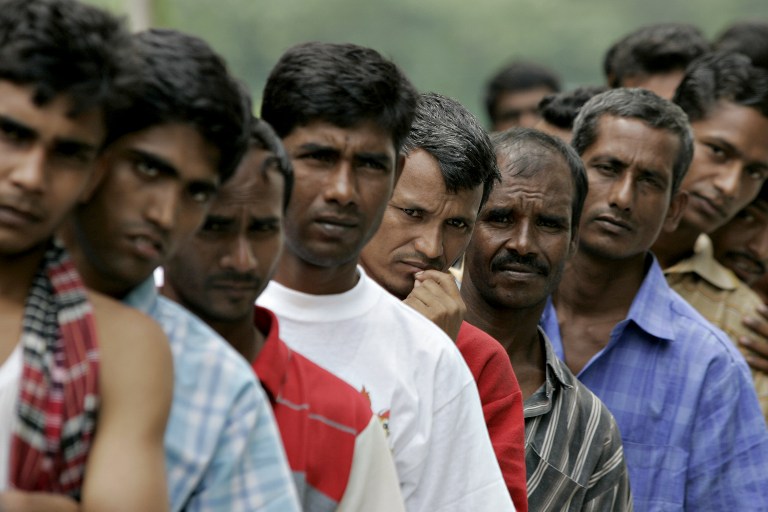
TO GO WITH Finance-economy-SAsia-remittances,FOCUS by Shafiq Alam (FILES) This file photo taken on December 25, 2007 shows Bangladeshi migrant workers waiting in line for food donated by a goodwill charity group for Christmas outside the Bangladeshi High Commission in Kuala Lumpur. The global economic crisis is putting a dent in funds sent to poor South Asian countries by nationals working abroad amid fears their armies of cheap workers will become redundant, say recruitment agents. Millions of families in Bangladesh, Nepal and Sri Lanka rely on remittances from relatives working in construction or as domestic servants in booming southeast Asian and Gulf nations. AFP PHOTO / FILES / TENGKU BAHAR

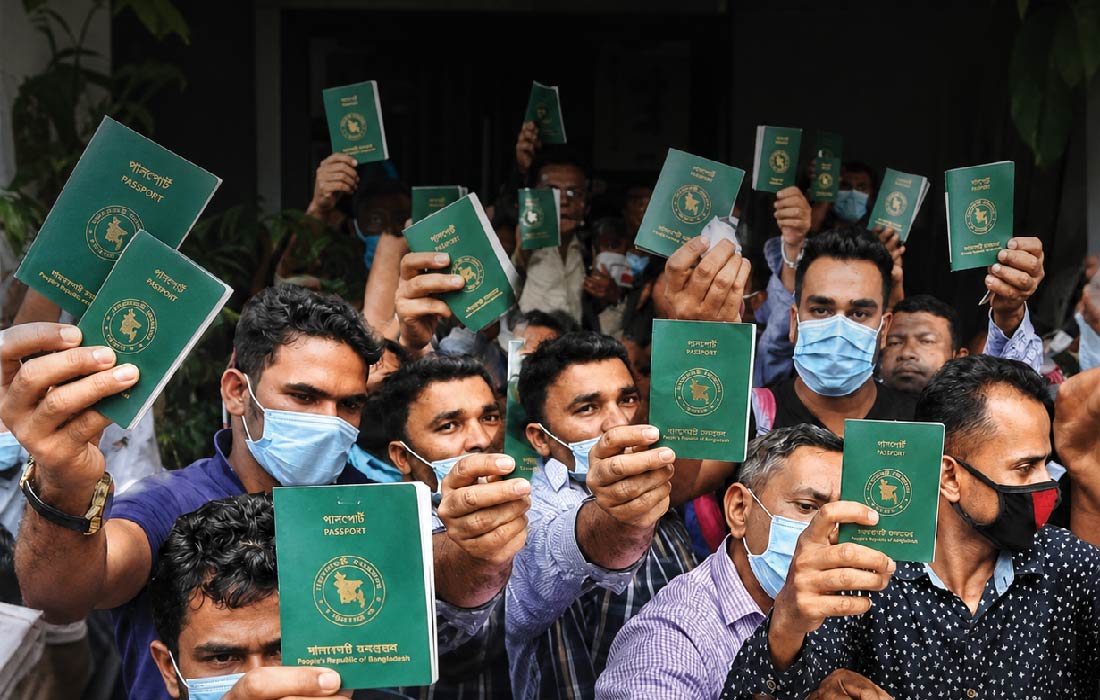
Many Bangladeshi workers who travelled to Malaysia with valid visas and proper documentation are facing an uncertain future after allegedly falling victim to recruitment agencies, middlemen and employers who failed to provide them with the jobs they were promised.

The workers said they completed all required procedures in Bangladesh, including obtaining clearance from the Bureau of Manpower, Employment and Training (BMET), before travelling to Malaysia to work for designated companies. However, some said they were not placed in the promised jobs and have remained unemployed for months.

With loans to repay and families dependent on their earnings, many of the affected workers have been forced to search for employment on a daily basis, often exposing themselves to further risks.

Some workers have also become entangled in legal complications after failing to secure employment with their designated employers. They said irregularities involving employment documents have left some vulnerable to enforcement operations by Malaysian immigration authorities, police and other law enforcement agencies.

Workers detained during such operations may face imprisonment, fines and other legal proceedings. Some have eventually been deported to Bangladesh after losing the money they invested to migrate.

According to the workers, they spent between Tk 500,000 and Tk 600,000 each to secure employment in Malaysia. Some sold land, others took out substantial loans, while some used their families’ savings to finance their migration.

Now, without jobs or regular income, many are struggling to repay their debts and say they have been left financially devastated.

Expatriate and migration experts have called for urgent intervention by the Ministry of Expatriates’ Welfare and Overseas Employment to rehabilitate workers who were deceived and subsequently forced to return to Bangladesh.

They also urged the authorities to investigate the recruitment agencies, intermediaries and employers involved in the recruitment process and take action against those found responsible.

Experts have proposed creating a special database of Bangladeshi workers who entered Malaysia legally but subsequently became undocumented because of fraud, exploitation or irregularities committed by employers or recruiting agencies.

They said the Bangladesh High Commission in Kuala Lumpur could verify the workers’ identities and employment records and coordinate with Malaysian authorities to explore options for restoring their legal status or transferring them to legitimate employers.

Malaysia has, at various times, permitted foreign workers to change employers or companies under certain conditions. Experts believe Bangladeshi workers who can establish that they were victims of recruitment fraud should be considered under such mechanisms through coordinated efforts by the Bangladesh High Commission and relevant Malaysian authorities.

They stressed that workers who become victims of recruitment fraud should be treated primarily as victims rather than offenders and should receive legal and humanitarian assistance.

Experts also called for stronger pre-departure verification of employers, job offers, visas and employment contracts in Bangladesh to prevent similar cases in the future.

The affected workers have questioned why they should bear the consequences of irregularities allegedly committed by employers or recruitment agencies after spending hundreds of thousands of taka to migrate legally for employment.

They have urged the Bangladesh government and its mission in Malaysia to conduct prompt investigations, provide legal assistance and, where possible, facilitate opportunities for affected workers to obtain lawful employment and remain in Malaysia.
Tag :

Bangladeshi Workers in Malaysia Face Uncertainty After Recruitment Fraud

Update Time : 11:22:48 am, Sunday, 16 August 2026

Many Bangladeshi workers who travelled to Malaysia with valid visas and proper documentation are facing an uncertain future after allegedly falling victim to recruitment agencies, middlemen and employers who failed to provide them with the jobs they were promised.

The workers said they completed all required procedures in Bangladesh, including obtaining clearance from the Bureau of Manpower, Employment and Training (BMET), before travelling to Malaysia to work for designated companies. However, some said they were not placed in the promised jobs and have remained unemployed for months.

With loans to repay and families dependent on their earnings, many of the affected workers have been forced to search for employment on a daily basis, often exposing themselves to further risks.

Some workers have also become entangled in legal complications after failing to secure employment with their designated employers. They said irregularities involving employment documents have left some vulnerable to enforcement operations by Malaysian immigration authorities, police and other law enforcement agencies.

Workers detained during such operations may face imprisonment, fines and other legal proceedings. Some have eventually been deported to Bangladesh after losing the money they invested to migrate.

According to the workers, they spent between Tk 500,000 and Tk 600,000 each to secure employment in Malaysia. Some sold land, others took out substantial loans, while some used their families’ savings to finance their migration.

Now, without jobs or regular income, many are struggling to repay their debts and say they have been left financially devastated.

Expatriate and migration experts have called for urgent intervention by the Ministry of Expatriates’ Welfare and Overseas Employment to rehabilitate workers who were deceived and subsequently forced to return to Bangladesh.

They also urged the authorities to investigate the recruitment agencies, intermediaries and employers involved in the recruitment process and take action against those found responsible.

Experts have proposed creating a special database of Bangladeshi workers who entered Malaysia legally but subsequently became undocumented because of fraud, exploitation or irregularities committed by employers or recruiting agencies.

They said the Bangladesh High Commission in Kuala Lumpur could verify the workers’ identities and employment records and coordinate with Malaysian authorities to explore options for restoring their legal status or transferring them to legitimate employers.

Malaysia has, at various times, permitted foreign workers to change employers or companies under certain conditions. Experts believe Bangladeshi workers who can establish that they were victims of recruitment fraud should be considered under such mechanisms through coordinated efforts by the Bangladesh High Commission and relevant Malaysian authorities.

They stressed that workers who become victims of recruitment fraud should be treated primarily as victims rather than offenders and should receive legal and humanitarian assistance.

Experts also called for stronger pre-departure verification of employers, job offers, visas and employment contracts in Bangladesh to prevent similar cases in the future.

The affected workers have questioned why they should bear the consequences of irregularities allegedly committed by employers or recruitment agencies after spending hundreds of thousands of taka to migrate legally for employment.

They have urged the Bangladesh government and its mission in Malaysia to conduct prompt investigations, provide legal assistance and, where possible, facilitate opportunities for affected workers to obtain lawful employment and remain in Malaysia.