Special Correspondent
Malaysia has reopened applications for foreign worker quotas in selected sectors and subsectors, in a move aimed at addressing labour shortages while maintaining its policy of giving priority to Malaysian workers.
The latest move follows a high-level government review of foreign worker management, including recruitment procedures, wages and labour-market requirements. The government has stressed that foreign recruitment must be based on actual labour-market demand and sectoral needs.
Malaysian Human Resources Minister Dato’ Sri Ramanan Ramakrishnan attended the 2/2026 Foreign Worker Cabinet Committee Meeting with Deputy Prime Minister I Dato’ Seri Dr Ahmad Zahid Hamidi in the chair, according to the reports published in Malaysian newspapers.
According to the Ministry of Human Resources (KESUMA), the meeting agreed that foreign worker recruitment should be based on genuine labour-market needs and the requirements of individual sectors. The ministry also reaffirmed its commitment to transparent and integrity-driven recruitment while ensuring compliance with labour laws and protection of workers’ welfare.
Under the current framework, quota applications are allowed in agriculture, plantations and mining, while selected subsectors of services, construction and manufacturing are also eligible on a case-by-case basis. Malaysia’s Home Ministry says the One Stop Centre (OSC) handles quota applications and related approvals.
For agriculture, plantations and mining, applications are permitted across all subsectors. In services, eligible areas include wholesale and retail, land warehouses, security services, metal and scrap materials, restaurants, laundry, cargo and building cleaning.
In construction, recruitment is limited to subsectors involving government projects, while manufacturing recruitment is focused on new investments under the Malaysian Investment Development Authority (MIDA).
Home Minister Datuk Seri Saifuddin Nasution Ismail said applications must be submitted through agencies linked to the respective sectors, with applications subject to screening before final approval.
Applications will undergo screening by the Foreign Workers Technical Committee before final approval by the Joint Committee on Foreign Worker Management.
Malaysia has also maintained the existing sectoral ceiling of 2,467,756 foreign workers until December 31, covering manufacturing, construction, services, plantations, agriculture, foreign domestic helpers, mining and quarrying.
The current foreign worker presence rate of 15% is to remain until the end of the year, before the government moves toward the 10% ceiling outlined in the 13th Malaysia Plan. Malaysia’s broader policy is to reduce dependence on foreign labour while allowing recruitment where genuine shortages persist.
Industry sources have suggested that the latest reopening could initially cover about 91,000 foreign workers across sectors, with a further 15,000 positions for restaurants. They have also indicated that employer interviews could begin shortly after applications open. However, these figures and timelines remain unofficial.
However, these figures, dates and procedures have not been officially confirmed by the Malaysian government.
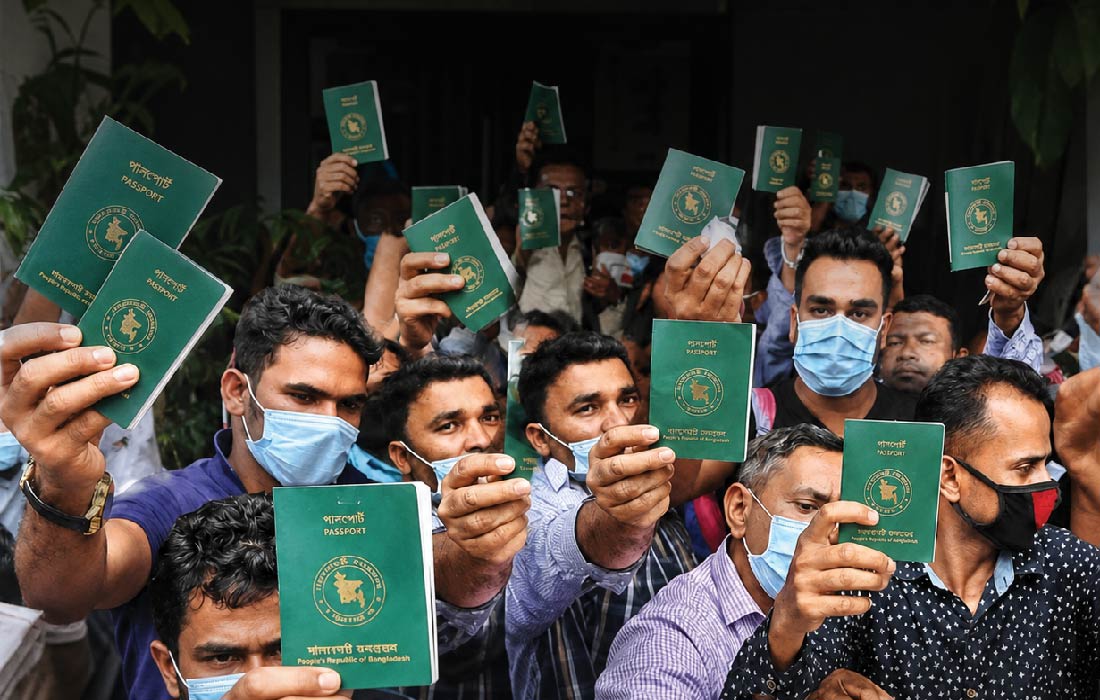
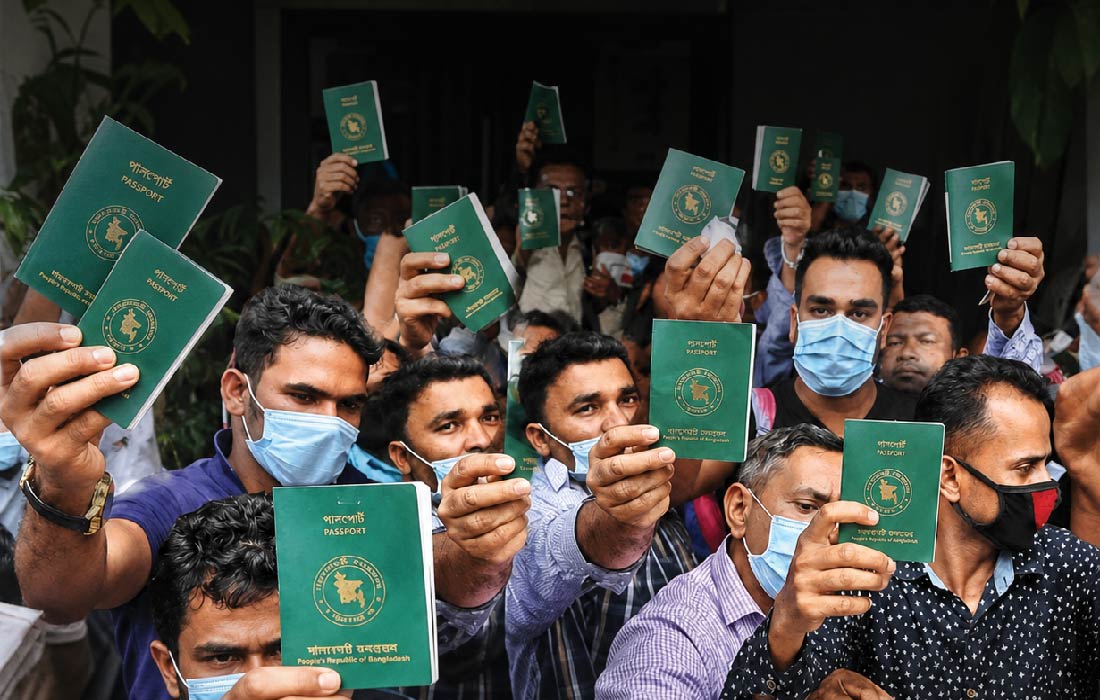
The development is being closely watched in Bangladesh, where the Malaysia-bound labour market has remained stalled amid Malaysian employers’ continued demand for foreign workers. Malaysia has previously kept foreign worker quota approvals largely on a case-by-case basis, with the OSC serving as the central mechanism for quota processing.
Discussions over the recruitment mechanism for Bangladeshi workers, including concerns over an alleged Bangladesh-linked recruitment “syndicate”, have yet to produce a publicly confirmed final arrangement. Malaysian industries have continued pressing for broader access to foreign labour because of shortages in several sectors.
Those claims remain unofficial and unverified, and no Malaysian government authority has publicly confirmed the alleged quota figures, interview schedule or the status of the Bangladesh-specific recruitment arrangement.
For Bangladesh, the reopening could create fresh employment opportunities, but Bangladeshi workers will only be able to benefit once Malaysia confirms the applicable quota, recruitment channel and bilateral arrangements. No Malaysian authority has publicly confirmed that the latest quota reopening automatically includes a new recruitment arrangement for Bangladesh.
Malaysia’s latest policy reflects an effort to balance employers’ demand for foreign labour with the government’s priority of protecting jobs for Malaysians, addressing genuine labour shortages and strengthening oversight of foreign worker recruitment.