Dhaka 7:16 pm, Tuesday, 17 November 2026
Bangla
Agencies claim it as new syndicate

Malaysia Selects 25 Bangladeshi Agencies as Labour Market Reopening Nears

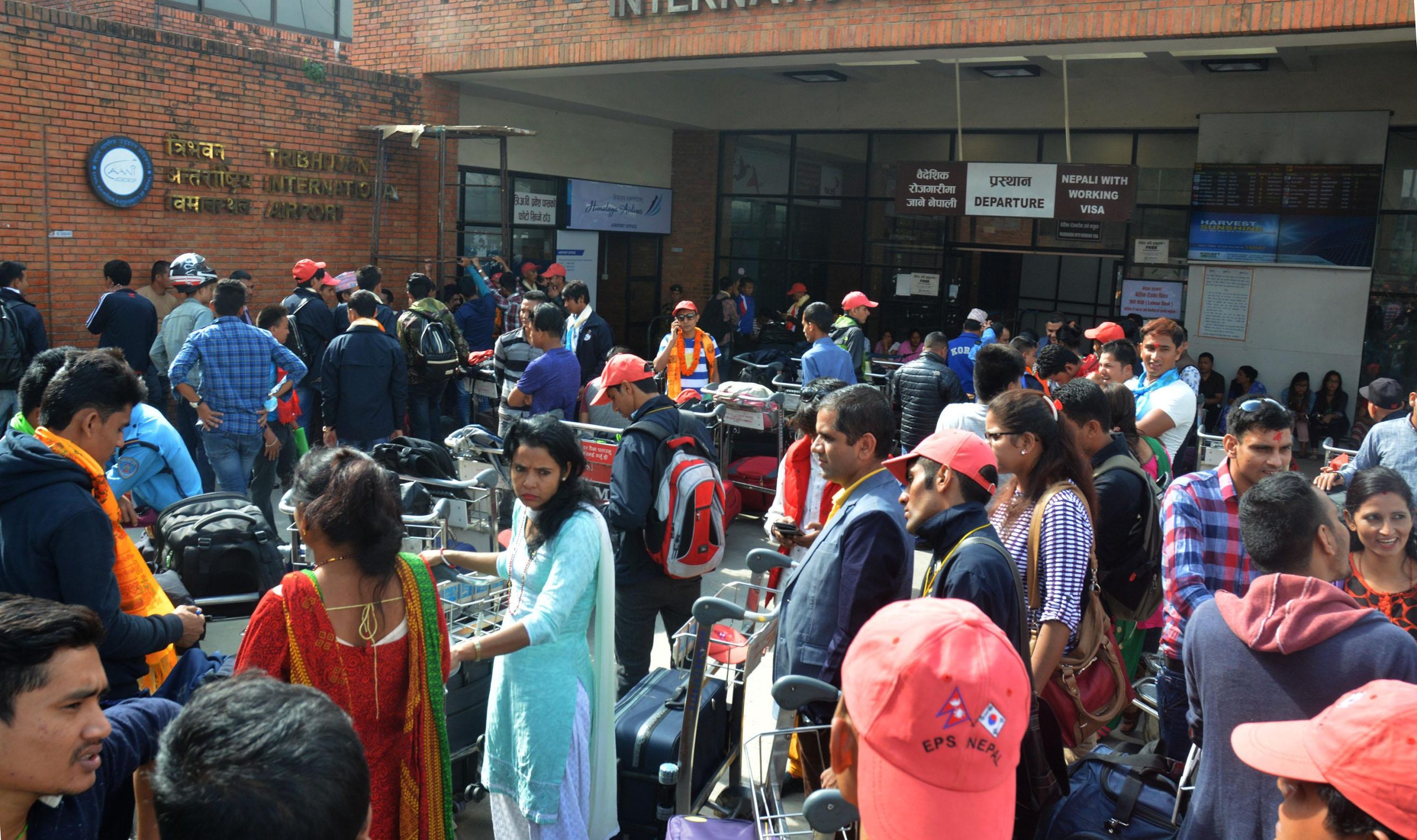
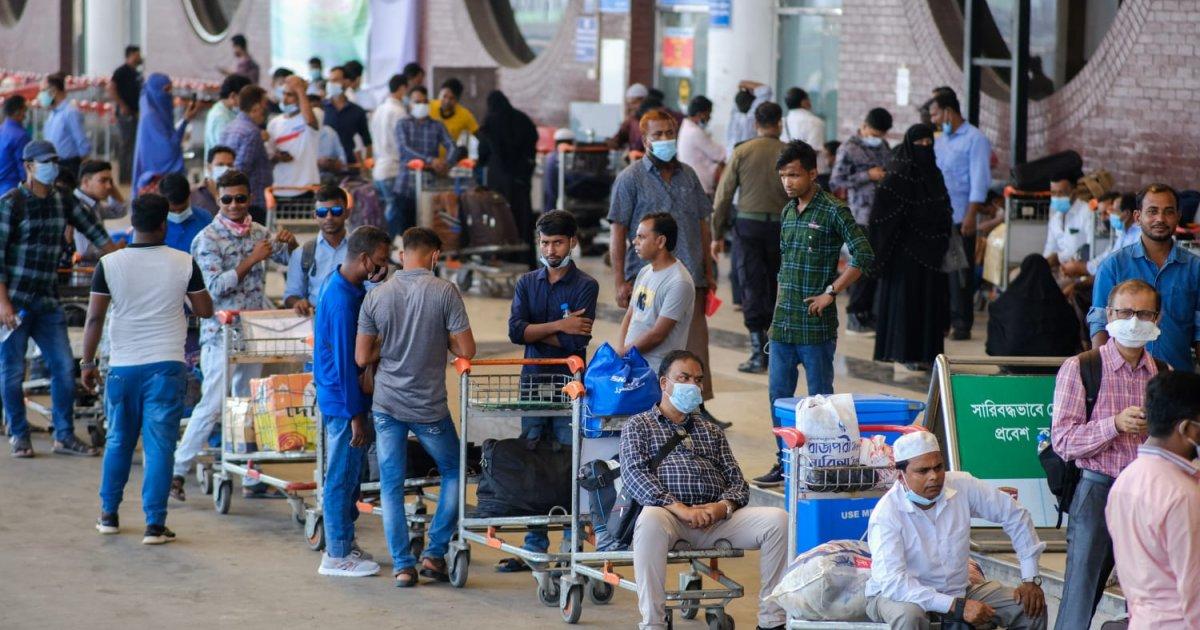
TO GO WITH Finance-economy-SAsia-remittances,FOCUS by Shafiq Alam (FILES) This file photo taken on December 25, 2007 shows Bangladeshi migrant workers waiting in line for food donated by a goodwill charity group for Christmas outside the Bangladeshi High Commission in Kuala Lumpur. The global economic crisis is putting a dent in funds sent to poor South Asian countries by nationals working abroad amid fears their armies of cheap workers will become redundant, say recruitment agents. Millions of families in Bangladesh, Nepal and Sri Lanka rely on remittances from relatives working in construction or as domestic servants in booming southeast Asian and Gulf nations. AFP PHOTO / FILES / TENGKU BAHAR

Malaysia’s foreign worker recruitment platform FWCMS has published a list of 25 Bangladeshi recruiting agencies selected to send workers to the Southeast Asian country, triggering fresh questions over the selection process and the broader framework for reopening the labour market.

The agencies are- Bangladesh One Overseas Ltd of Abdus Salam; Bengal Human Resource Development of Md. Mosharof Hosen; General Trading Company of Mohd. Khalilur Rahman; M/S United Gulf Services of Laila Arjuman Banu; Annesa Air International of Md. Rabbi Chowdhury; Att-Taqwa Overseas Ltd of Md. Rayhan Kabir; Earth Smart Bangladesh Ltd of Md. Mahfuzur Rahman; Khan Jahan Ali Overseas of Md. Zafar Khandaker; M/S Al-Shupto Overseas of Farid Ahmed Mazumder; Motherland Overseas Ltd of Md. Monir Ahmed; Rifa International of Shakhawat Ullah; Vely Trade International of Md. Jahirul Islam; A-Plus International of Mohammad Abdul Mannan; Al-Hayat Overseas of Md. Alaluddin Kabir; Bhaluka Overseas of Md. Abu Sohag Khan; Brothers Trading & Contracting Ltd of Md. Shahidul Islam; Chandpur International of Md. Shahjalal; Country Employment Agency of Md. Anisur Rahman; Goodness Service Limited of Md. Sayful Islam; Jewel Rinku Enterprise of Md. Rezaul Karim; M/S Satkhira International of Sk. Nazrul Islam; Mangrove Career Link of Sabiha Sultana; Neighbour Associates Ltd of Kazi Md. Tajul Islam; Tania Trade International of Md. Samiul Haque Shamim; and The Anchor Care Global Migration of Md. Masudur Rahman.

The list was published on Friday, although it remains unclear exactly how the selected agencies were chosen, when recruitment and worker deployment will begin, how many workers will be allowed to travel, and what procedures and conditions will govern the process.

The Ministry of Expatriates’ Welfare and Overseas Employment also announced the list on Friday night as Bangladesh and Malaysia move towards resuming labour migration following a prolonged suspension.

The development comes despite demands from a section of leaders of the Bangladesh Association of International Recruiting Agencies (BAIRA) that Malaysia’s labour market be opened to all eligible recruiting agencies rather than a limited group.

The issue is particularly sensitive because of Bangladesh’s previous experience with restricted recruitment arrangements. In 2015, only 10 selected agencies were allowed to send workers to Malaysia, a group that later became widely known as a “syndicate.” In 2022, the number was expanded to 25 agencies. Five of those agencies were reportedly linked to ministers or members of parliament at the time, while others were allegedly owned by or connected to leaders and associates of the then ruling Awami League.

Although the official migration cost was set at Tk79,000 per worker, allegations emerged that agencies charged an average of Tk544,000, or more than five times the approved amount.

Following allegations of corruption, irregularities and excessive migration costs, Malaysia suspended new recruitment of Bangladeshi workers on May 31, 2024. Nearly 17,000 workers who had completed all necessary procedures were unable to travel when the market closed, and regular recruitment has yet to resume.

Bangladesh and Malaysia have since intensified efforts to reopen the labour market. Prime Minister Tarique Rahman raised the issue during his official visit to Malaysia in June, urging Kuala Lumpur to resume recruitment from Bangladesh.

Malaysia subsequently agreed in July at the policy level to move towards reopening recruitment, with Prime Minister’s Adviser and spokesperson Mahdi Amin saying recruitment could restart across sectors from the final week of August. Speaking at the Bangladesh High Commission in Kuala Lumpur on July 30, he said the two countries had reached an understanding on a new framework aimed at making recruitment more transparent and efficient.

Bangladesh has requested that the state-owned Bangladesh Overseas Employment and Services Ltd (BOESL) oversee the initial phase of recruitment. Dhaka has also sought lower migration costs, improved worker skills and stronger safeguards against exploitation.

Under the existing memorandum of understanding, which remains valid until December, Malaysia is expected to determine the final number of Bangladeshi agencies permitted to recruit workers. Bangladesh has urged Kuala Lumpur to include as many qualified agencies as possible while excluding those facing allegations of corruption or irregularities.

In October 2025, Malaysia asked Bangladesh to submit a list of agencies capable of meeting 10 mandatory conditions. Dhaka later requested that at least three conditions be relaxed: experience of sending at least 3,000 migrant workers abroad over the previous five years, ownership of a training centre, and maintaining a permanent office space of at least 10,000 square feet for the previous three years.

Bangladesh subsequently listed 260 agencies that met seven of the conditions and another 163 that met six. A total of 423 agencies meeting at least six of the eight conditions were submitted to Malaysia.

However, it remains unclear on what basis the 25 agencies published by FWCMS were selected from the larger pool.

Industry stakeholders note that a labour market does not normally reopen immediately after a bilateral agreement. The two countries’ Joint Working Group must first determine the number of workers to be recruited, the recruitment procedures, costs, conditions and other operational arrangements.

The existing bilateral arrangement is also due to expire this year, requiring renewal and possible updating through further Joint Working Group meetings before a revised agreement is finalised and signed.

While the selection of the 25 agencies is being seen as a significant step towards reopening Malaysia’s labour market, the process is expected to face close scrutiny. Workers, recruiting agencies and migration experts are likely to seek greater transparency over how the agencies were selected and whether the new system can prevent the syndicate, excessive migration costs and irregularities that undermined the previous recruitment arrangement.
Tag :
Popular Post

Agencies claim it as new syndicate

Malaysia Selects 25 Bangladeshi Agencies as Labour Market Reopening Nears

Update Time : 02:54:24 pm, Saturday, 22 August 2026

Malaysia’s foreign worker recruitment platform FWCMS has published a list of 25 Bangladeshi recruiting agencies selected to send workers to the Southeast Asian country, triggering fresh questions over the selection process and the broader framework for reopening the labour market.

The agencies are- Bangladesh One Overseas Ltd of Abdus Salam; Bengal Human Resource Development of Md. Mosharof Hosen; General Trading Company of Mohd. Khalilur Rahman; M/S United Gulf Services of Laila Arjuman Banu; Annesa Air International of Md. Rabbi Chowdhury; Att-Taqwa Overseas Ltd of Md. Rayhan Kabir; Earth Smart Bangladesh Ltd of Md. Mahfuzur Rahman; Khan Jahan Ali Overseas of Md. Zafar Khandaker; M/S Al-Shupto Overseas of Farid Ahmed Mazumder; Motherland Overseas Ltd of Md. Monir Ahmed; Rifa International of Shakhawat Ullah; Vely Trade International of Md. Jahirul Islam; A-Plus International of Mohammad Abdul Mannan; Al-Hayat Overseas of Md. Alaluddin Kabir; Bhaluka Overseas of Md. Abu Sohag Khan; Brothers Trading & Contracting Ltd of Md. Shahidul Islam; Chandpur International of Md. Shahjalal; Country Employment Agency of Md. Anisur Rahman; Goodness Service Limited of Md. Sayful Islam; Jewel Rinku Enterprise of Md. Rezaul Karim; M/S Satkhira International of Sk. Nazrul Islam; Mangrove Career Link of Sabiha Sultana; Neighbour Associates Ltd of Kazi Md. Tajul Islam; Tania Trade International of Md. Samiul Haque Shamim; and The Anchor Care Global Migration of Md. Masudur Rahman.

The list was published on Friday, although it remains unclear exactly how the selected agencies were chosen, when recruitment and worker deployment will begin, how many workers will be allowed to travel, and what procedures and conditions will govern the process.

The Ministry of Expatriates’ Welfare and Overseas Employment also announced the list on Friday night as Bangladesh and Malaysia move towards resuming labour migration following a prolonged suspension.

The development comes despite demands from a section of leaders of the Bangladesh Association of International Recruiting Agencies (BAIRA) that Malaysia’s labour market be opened to all eligible recruiting agencies rather than a limited group.

The issue is particularly sensitive because of Bangladesh’s previous experience with restricted recruitment arrangements. In 2015, only 10 selected agencies were allowed to send workers to Malaysia, a group that later became widely known as a “syndicate.” In 2022, the number was expanded to 25 agencies. Five of those agencies were reportedly linked to ministers or members of parliament at the time, while others were allegedly owned by or connected to leaders and associates of the then ruling Awami League.

Although the official migration cost was set at Tk79,000 per worker, allegations emerged that agencies charged an average of Tk544,000, or more than five times the approved amount.

Following allegations of corruption, irregularities and excessive migration costs, Malaysia suspended new recruitment of Bangladeshi workers on May 31, 2024. Nearly 17,000 workers who had completed all necessary procedures were unable to travel when the market closed, and regular recruitment has yet to resume.

Bangladesh and Malaysia have since intensified efforts to reopen the labour market. Prime Minister Tarique Rahman raised the issue during his official visit to Malaysia in June, urging Kuala Lumpur to resume recruitment from Bangladesh.

Malaysia subsequently agreed in July at the policy level to move towards reopening recruitment, with Prime Minister’s Adviser and spokesperson Mahdi Amin saying recruitment could restart across sectors from the final week of August. Speaking at the Bangladesh High Commission in Kuala Lumpur on July 30, he said the two countries had reached an understanding on a new framework aimed at making recruitment more transparent and efficient.

Bangladesh has requested that the state-owned Bangladesh Overseas Employment and Services Ltd (BOESL) oversee the initial phase of recruitment. Dhaka has also sought lower migration costs, improved worker skills and stronger safeguards against exploitation.

Under the existing memorandum of understanding, which remains valid until December, Malaysia is expected to determine the final number of Bangladeshi agencies permitted to recruit workers. Bangladesh has urged Kuala Lumpur to include as many qualified agencies as possible while excluding those facing allegations of corruption or irregularities.

In October 2025, Malaysia asked Bangladesh to submit a list of agencies capable of meeting 10 mandatory conditions. Dhaka later requested that at least three conditions be relaxed: experience of sending at least 3,000 migrant workers abroad over the previous five years, ownership of a training centre, and maintaining a permanent office space of at least 10,000 square feet for the previous three years.

Bangladesh subsequently listed 260 agencies that met seven of the conditions and another 163 that met six. A total of 423 agencies meeting at least six of the eight conditions were submitted to Malaysia.

However, it remains unclear on what basis the 25 agencies published by FWCMS were selected from the larger pool.

Industry stakeholders note that a labour market does not normally reopen immediately after a bilateral agreement. The two countries’ Joint Working Group must first determine the number of workers to be recruited, the recruitment procedures, costs, conditions and other operational arrangements.

The existing bilateral arrangement is also due to expire this year, requiring renewal and possible updating through further Joint Working Group meetings before a revised agreement is finalised and signed.

While the selection of the 25 agencies is being seen as a significant step towards reopening Malaysia’s labour market, the process is expected to face close scrutiny. Workers, recruiting agencies and migration experts are likely to seek greater transparency over how the agencies were selected and whether the new system can prevent the syndicate, excessive migration costs and irregularities that undermined the previous recruitment arrangement.