Dhaka 7:16 pm, Tuesday, 17 November 2026
Bangla

Cox’s Bazar airport set for international launch in October

Cox’s Bazar Airport is set to formally begin its journey as an international airport in October, with the Civil Aviation Authority of Bangladesh (CAAB) preparing for an inauguration in the third week of the month.

While most of the major infrastructure works have reached the final stage, uncertainty remains over which airlines will operate international flights from the country’s premier tourist destination.

Air Commodore Md Noor-e-Alam, member (Air Traffic Management) of CAAB, said preparations were underway targeting the third week of October. “We are approaching and taking preparations targeting the third week of October for the inauguration,” he said.

He added that CAAB had written to Biman Bangladesh Airlines regarding international operations from Cox’s Bazar, and the national flag carrier was preparing accordingly.

Cox’s Bazar Airport Director Golam Murtaza Hossain said a CAAB team, including its chairman, recently inspected the progress of development works at the airport.

He said construction of the international passenger terminal and other essential facilities was almost complete, with only some finishing works remaining.

According to CAAB data, construction of the international passenger terminal is 98.97 percent complete, while the runway expansion project is 91.65 percent complete. Although the two projects are scheduled to continue until December 2026, the infrastructure required to commence international operations is largely ready.

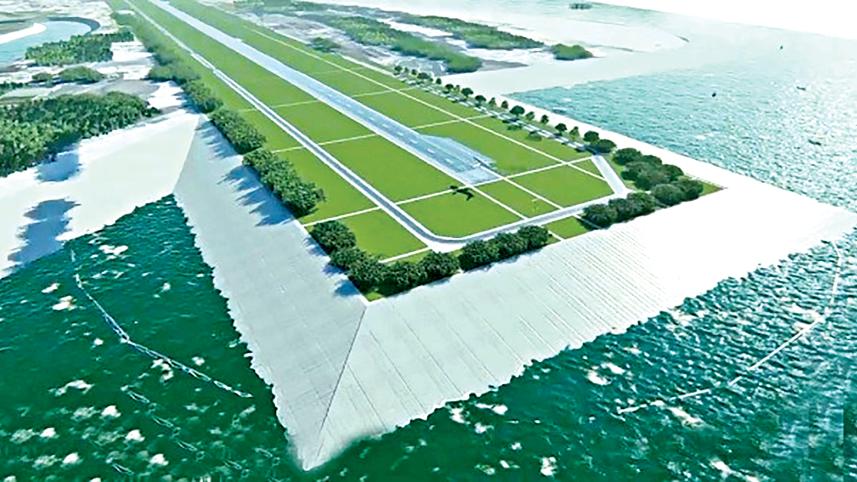
Under the runway expansion project, the existing runway has been extended from 9,000 feet to 10,700 feet, including through the reclamation of around 43 hectares of land from the sea.

CAAB says the expanded runway will be capable of handling wide-body aircraft such as the Boeing 777-300ER and Boeing 747-400, potentially allowing the airport to accommodate larger international aircraft.

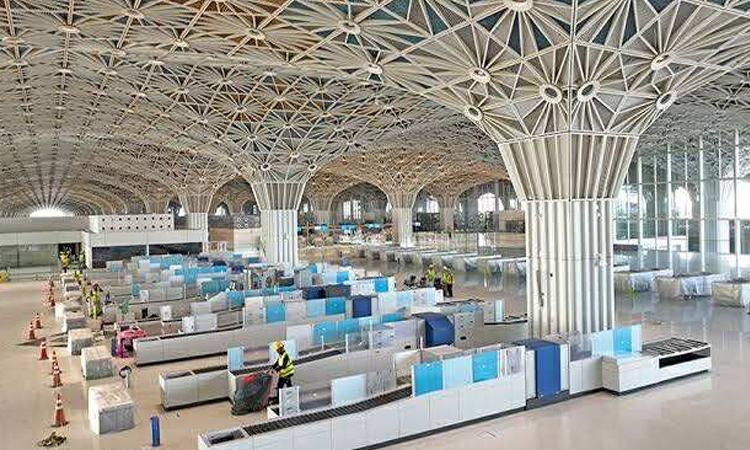
The 17,956-square-metre international passenger terminal has been equipped with a departure lounge, boarding bridges, lifts, escalators, baggage conveyors, check-in counters and immigration facilities. The terminal is designed to handle the departure of up to 450 international passengers at a time.

The airport also has a 36,300-square-metre apron, with parking facilities for two large aircraft and three Dash 8 aircraft. Two taxiways have also been made operational, although some vehicle-parking works are still underway.

At present, Cox’s Bazar Airport handles an average of 28 to 30 passenger flights a day, mainly on domestic routes. Current scheduled services include Biman Bangladesh Airlines, US-Bangla Airlines, Air Astra and Novoair on the Dhaka-Cox’s Bazar route.

However, attracting international carriers remains a key challenge.

Aviation expert Kazi Wahidul Alam said potential user airlines should have been consulted before major investments were made in developing the airport as an international facility, so that their operational and commercial requirements could be incorporated into the planning.

He said no foreign airline had so far formally expressed interest in operating flights from Cox’s Bazar, although US-Bangla Airlines had indicated that it could potentially operate international services.

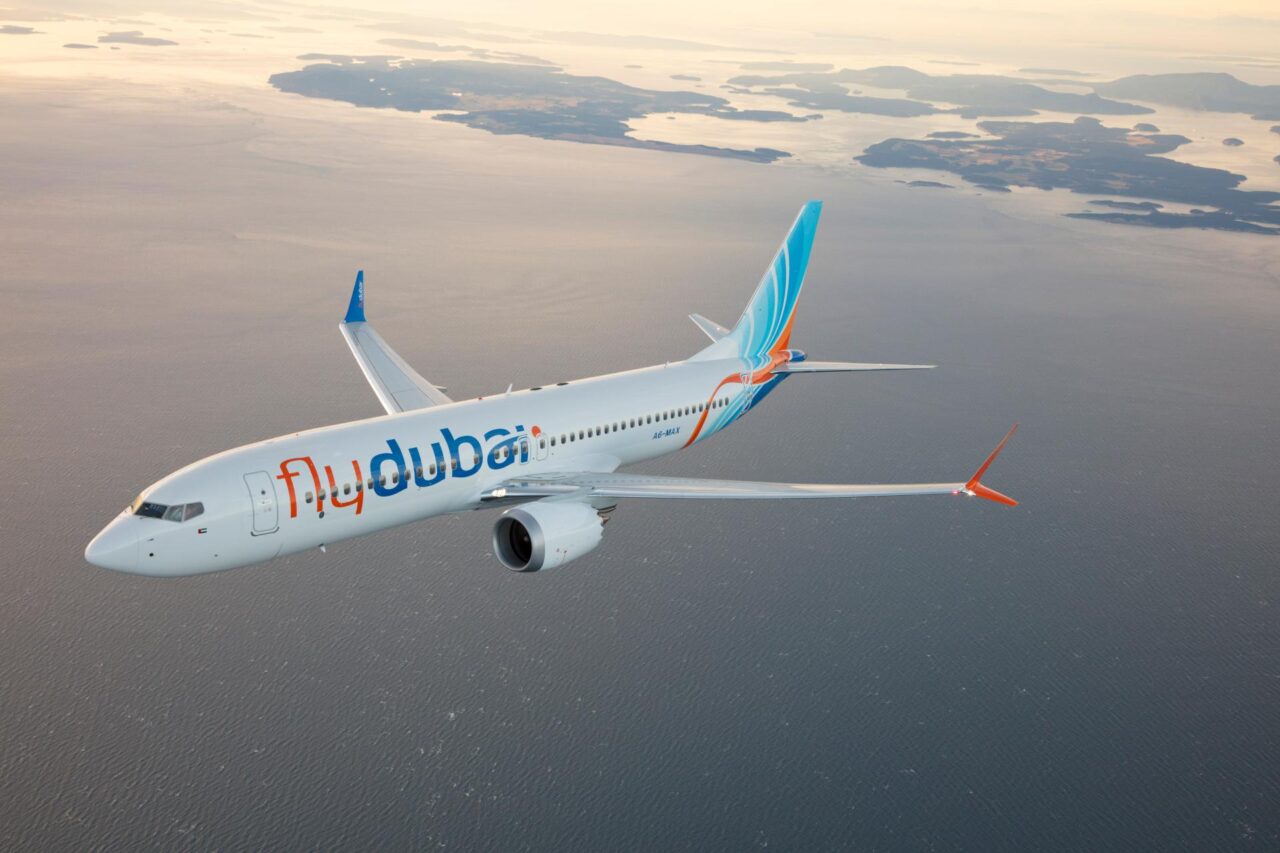
The issue of airline participation is particularly important because infrastructure alone cannot guarantee the launch or sustainability of international routes. Airlines generally assess passenger demand, route economics, aircraft utilisation, airport charges and connectivity before introducing a new international service.

Tourism-sector stakeholders also said the airport’s internationalisation should be accompanied by stronger tourism infrastructure, international marketing and destination promotion.

They said attracting foreign airlines and international tourists would require coordinated efforts to promote Cox’s Bazar as an international tourism destination rather than relying solely on the newly developed airport facilities.

The government has previously said Biman Bangladesh Airlines and international carriers would operate from the airport after its formal inauguration.

With the major infrastructure now nearing completion, the next challenge for Cox’s Bazar will therefore be to translate the airport’s expanded physical capacity into regular international air connectivity and a commercially sustainable passenger network.
Tag :
Popular Post

Cox’s Bazar airport set for international launch in October

Update Time : 12:12:06 pm, Wednesday, 30 September 2026

Cox’s Bazar Airport is set to formally begin its journey as an international airport in October, with the Civil Aviation Authority of Bangladesh (CAAB) preparing for an inauguration in the third week of the month.

While most of the major infrastructure works have reached the final stage, uncertainty remains over which airlines will operate international flights from the country’s premier tourist destination.

Air Commodore Md Noor-e-Alam, member (Air Traffic Management) of CAAB, said preparations were underway targeting the third week of October. “We are approaching and taking preparations targeting the third week of October for the inauguration,” he said.

He added that CAAB had written to Biman Bangladesh Airlines regarding international operations from Cox’s Bazar, and the national flag carrier was preparing accordingly.

Cox’s Bazar Airport Director Golam Murtaza Hossain said a CAAB team, including its chairman, recently inspected the progress of development works at the airport.

He said construction of the international passenger terminal and other essential facilities was almost complete, with only some finishing works remaining.

According to CAAB data, construction of the international passenger terminal is 98.97 percent complete, while the runway expansion project is 91.65 percent complete. Although the two projects are scheduled to continue until December 2026, the infrastructure required to commence international operations is largely ready.

Under the runway expansion project, the existing runway has been extended from 9,000 feet to 10,700 feet, including through the reclamation of around 43 hectares of land from the sea.

CAAB says the expanded runway will be capable of handling wide-body aircraft such as the Boeing 777-300ER and Boeing 747-400, potentially allowing the airport to accommodate larger international aircraft.

The 17,956-square-metre international passenger terminal has been equipped with a departure lounge, boarding bridges, lifts, escalators, baggage conveyors, check-in counters and immigration facilities. The terminal is designed to handle the departure of up to 450 international passengers at a time.

The airport also has a 36,300-square-metre apron, with parking facilities for two large aircraft and three Dash 8 aircraft. Two taxiways have also been made operational, although some vehicle-parking works are still underway.

At present, Cox’s Bazar Airport handles an average of 28 to 30 passenger flights a day, mainly on domestic routes. Current scheduled services include Biman Bangladesh Airlines, US-Bangla Airlines, Air Astra and Novoair on the Dhaka-Cox’s Bazar route.

However, attracting international carriers remains a key challenge.

Aviation expert Kazi Wahidul Alam said potential user airlines should have been consulted before major investments were made in developing the airport as an international facility, so that their operational and commercial requirements could be incorporated into the planning.

He said no foreign airline had so far formally expressed interest in operating flights from Cox’s Bazar, although US-Bangla Airlines had indicated that it could potentially operate international services.

The issue of airline participation is particularly important because infrastructure alone cannot guarantee the launch or sustainability of international routes. Airlines generally assess passenger demand, route economics, aircraft utilisation, airport charges and connectivity before introducing a new international service.

Tourism-sector stakeholders also said the airport’s internationalisation should be accompanied by stronger tourism infrastructure, international marketing and destination promotion.

They said attracting foreign airlines and international tourists would require coordinated efforts to promote Cox’s Bazar as an international tourism destination rather than relying solely on the newly developed airport facilities.

The government has previously said Biman Bangladesh Airlines and international carriers would operate from the airport after its formal inauguration.

With the major infrastructure now nearing completion, the next challenge for Cox’s Bazar will therefore be to translate the airport’s expanded physical capacity into regular international air connectivity and a commercially sustainable passenger network.