Dhaka 7:17 pm, Tuesday, 17 November 2026
Bangla
338 agencies recognised; 10,000 jobs proposed at zero migration cost

Bangladesh announces resumption of Malaysia worker recruitment

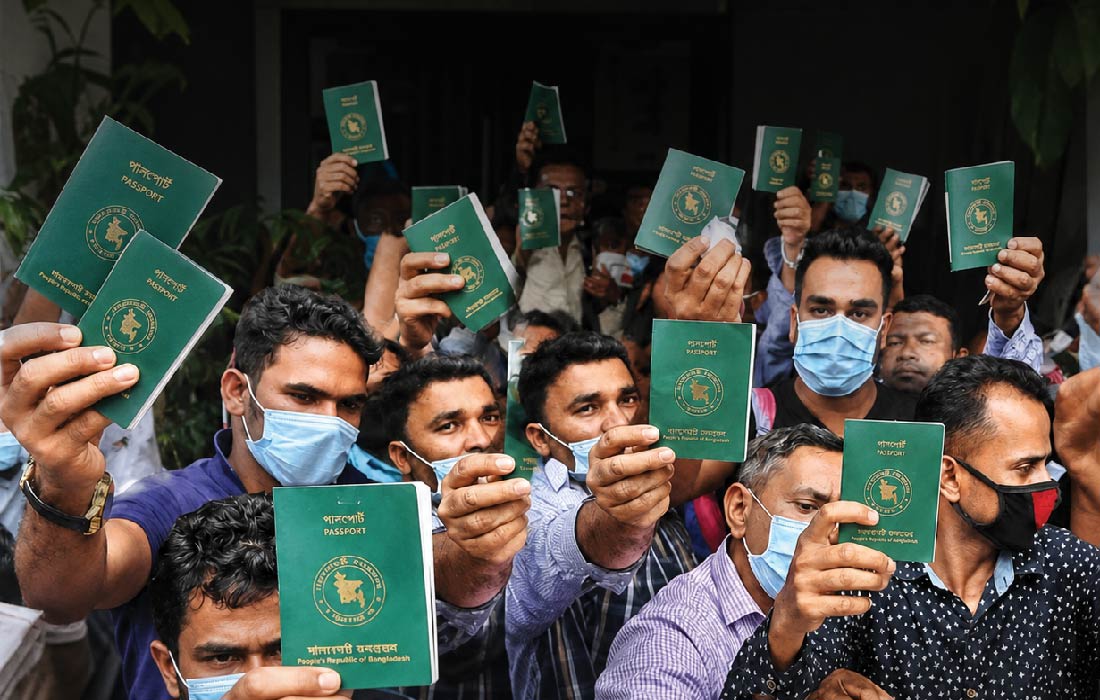
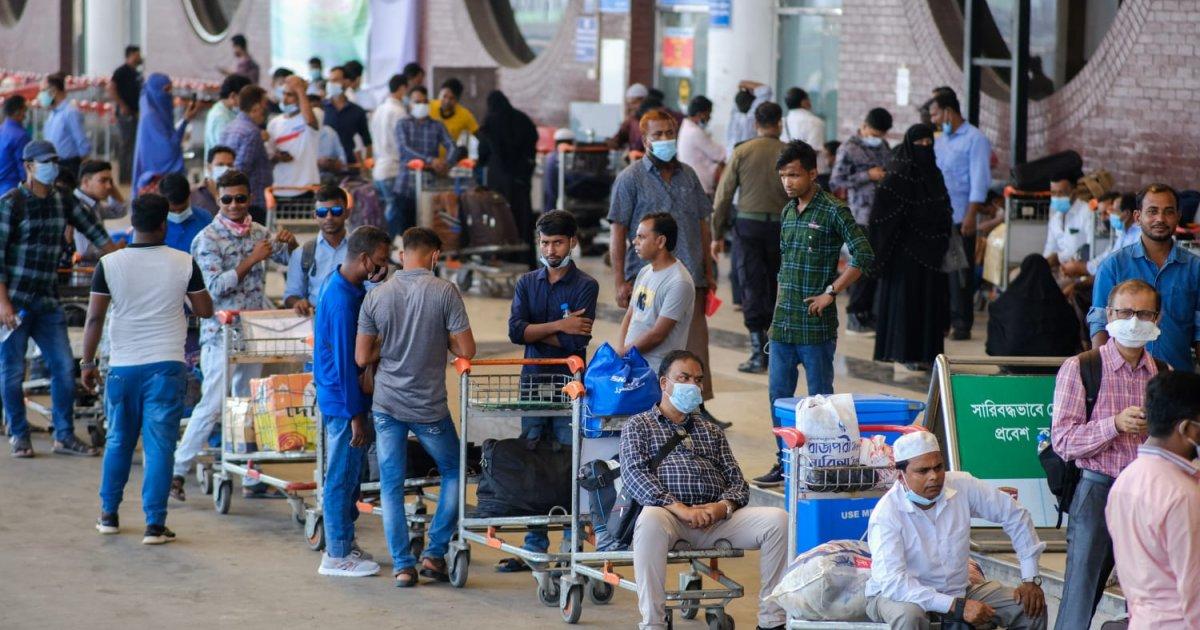
Bangladesh has announced the resumption of recruitment procedures for workers seeking employment in Malaysia, with Malaysian authorities agreeing to recognise 338 Bangladeshi recruiting agencies and, in principle, recruit 10,000 workers at zero migration cost.

The Ministry of Expatriates’ Welfare and Overseas Employment announced the development on Thursday, describing it as a major step towards reopening one of Bangladesh’s most important overseas labour markets through a more transparent and competitive recruitment system.

The 338 agencies comprise the state-owned Bangladesh Overseas Employment and Services Limited (BOESL), 25 private processing or service agencies and 312 other recruiting agencies. Their selection was based on eligibility criteria set by the Malaysian authorities.

Under the arrangement, recognised agencies will be able to contact Malaysian employers directly, collect job orders, select suitable candidates in Bangladesh and conduct recruitment in accordance with applicable laws and regulations, according to the ministry’s official statement.

The government said the system would widen opportunities for legitimate recruiting agencies, reduce monopolistic control over recruitment and strengthen safeguards for migrant workers.

A major feature of the initiative is Malaysia’s agreement in principle, following a special request from Bangladesh, to recruit 10,000 workers without charging them migration costs. However, the ministry has yet to announce a recruitment timetable, identify the employers or specify the sectors involved.

According to the ministry, eligible agencies will independently seek job orders from Malaysian employers and select candidates under their own licences. BOESL and the 25 designated processing or service agencies will provide administrative assistance, including support for calling visas, e-visas and procedures involving Malaysian authorities.

After completing the necessary formalities with Malaysia, the relevant recruiting agencies will proceed with the remaining procedures in Bangladesh. Agencies securing job orders will be able to obtain clearance from the Bureau of Manpower, Employment and Training (BMET) for workers recruited under their own licences, with administrative support and no-objection certificates provided where necessary.

The ministry said the arrangement would preserve the accountability and operational independence of recruiting agencies while ensuring compliance with overseas employment regulations.

Medical Tests

The government has also clarified that Malaysia-bound workers will be able to undergo medical examinations at approved medical centres, with no single centre receiving exclusive authority to conduct the tests.

The selection of medical centres remains a joint responsibility of Bangladesh and Malaysia under their existing memorandum of understanding (MoU). Bangladesh has requested changes to the existing arrangements to facilitate the reopening of the labour market.

Pending a comprehensive review, Malaysia has agreed to exclude medical centres associated with alleged irregularities and controversies linked to the previous authoritarian administration and allow operations through the remaining centres listed on the relevant Malaysian website.

A joint delegation from Malaysia’s health, human resources and home affairs ministries is expected to visit Bangladesh to inspect medical centres and finalise a comprehensive list under the revised policy.

The ministry stated the listed centres would remain subject to regular scrutiny by Bangladeshi authorities. Centres found violating applicable rules could face suspension, while additional centres could be approved following verification. The updated list will be published on the relevant Malaysian website and announced by the Bangladesh ministry.

Background to the agreement

Bangladesh and Malaysia signed an MoU on December 18, 2022, establishing the framework for recruiting Bangladeshi workers. Under the agreement, Malaysia’s Ministry of Human Resources determines the eligibility criteria for recruiting agencies seeking to participate in the process.

During the interim administration, Malaysia assessed Bangladeshi agencies against its requirements and subsequently showed flexibility on some conditions after considering the difficulties agencies faced in meeting the initial criteria.

Bangladesh submitted a list of 423 recruiting agencies, along with the required legal documents and supporting papers, for consideration by the Malaysian authorities.

After taking office, the present government prioritised reopening restricted overseas labour markets, with Malaysia receiving particular attention because of its importance to Bangladeshi workers and the national economy.

The prime minister chose Malaysia for his first official foreign visit after assuming office and discussed reopening the labour market with his Malaysian counterpart. The Ministry of Expatriates’ Welfare and Overseas Employment subsequently continued negotiations to widen participation by legitimate agencies while respecting Malaysia’s eligibility requirements and the existing MoU.

The recognition of 338 agencies marks progress towards that objective, the ministry said.

The government urged recruiting agencies to secure more job orders and create employment opportunities while complying with the law and protecting workers from excessive recruitment costs.

The proposed zero-cost recruitment of 10,000 workers is expected to test the government’s efforts to make overseas employment more affordable. However, the detailed implementation mechanism has yet to be announced.

Malaysia remains a major destination for Bangladeshi migrant workers, whose employment and remittances contribute significantly to the country’s economy. The market has experienced repeated disruptions and concerns over high migration costs and the influence of intermediaries.

The latest arrangement aims to broaden participation, encourage competition among eligible agencies, improve transparency and protect workers throughout the recruitment process.

Tag :
Popular Post

338 agencies recognised; 10,000 jobs proposed at zero migration cost

Bangladesh announces resumption of Malaysia worker recruitment

Update Time : 02:13:39 pm, Thursday, 15 October 2026

Bangladesh has announced the resumption of recruitment procedures for workers seeking employment in Malaysia, with Malaysian authorities agreeing to recognise 338 Bangladeshi recruiting agencies and, in principle, recruit 10,000 workers at zero migration cost.

The Ministry of Expatriates’ Welfare and Overseas Employment announced the development on Thursday, describing it as a major step towards reopening one of Bangladesh’s most important overseas labour markets through a more transparent and competitive recruitment system.

The 338 agencies comprise the state-owned Bangladesh Overseas Employment and Services Limited (BOESL), 25 private processing or service agencies and 312 other recruiting agencies. Their selection was based on eligibility criteria set by the Malaysian authorities.

Under the arrangement, recognised agencies will be able to contact Malaysian employers directly, collect job orders, select suitable candidates in Bangladesh and conduct recruitment in accordance with applicable laws and regulations, according to the ministry’s official statement.

The government said the system would widen opportunities for legitimate recruiting agencies, reduce monopolistic control over recruitment and strengthen safeguards for migrant workers.

A major feature of the initiative is Malaysia’s agreement in principle, following a special request from Bangladesh, to recruit 10,000 workers without charging them migration costs. However, the ministry has yet to announce a recruitment timetable, identify the employers or specify the sectors involved.

According to the ministry, eligible agencies will independently seek job orders from Malaysian employers and select candidates under their own licences. BOESL and the 25 designated processing or service agencies will provide administrative assistance, including support for calling visas, e-visas and procedures involving Malaysian authorities.

After completing the necessary formalities with Malaysia, the relevant recruiting agencies will proceed with the remaining procedures in Bangladesh. Agencies securing job orders will be able to obtain clearance from the Bureau of Manpower, Employment and Training (BMET) for workers recruited under their own licences, with administrative support and no-objection certificates provided where necessary.

The ministry said the arrangement would preserve the accountability and operational independence of recruiting agencies while ensuring compliance with overseas employment regulations.

Medical Tests

The government has also clarified that Malaysia-bound workers will be able to undergo medical examinations at approved medical centres, with no single centre receiving exclusive authority to conduct the tests.

The selection of medical centres remains a joint responsibility of Bangladesh and Malaysia under their existing memorandum of understanding (MoU). Bangladesh has requested changes to the existing arrangements to facilitate the reopening of the labour market.

Pending a comprehensive review, Malaysia has agreed to exclude medical centres associated with alleged irregularities and controversies linked to the previous authoritarian administration and allow operations through the remaining centres listed on the relevant Malaysian website.

A joint delegation from Malaysia’s health, human resources and home affairs ministries is expected to visit Bangladesh to inspect medical centres and finalise a comprehensive list under the revised policy.

The ministry stated the listed centres would remain subject to regular scrutiny by Bangladeshi authorities. Centres found violating applicable rules could face suspension, while additional centres could be approved following verification. The updated list will be published on the relevant Malaysian website and announced by the Bangladesh ministry.

Background to the agreement

Bangladesh and Malaysia signed an MoU on December 18, 2022, establishing the framework for recruiting Bangladeshi workers. Under the agreement, Malaysia’s Ministry of Human Resources determines the eligibility criteria for recruiting agencies seeking to participate in the process.

During the interim administration, Malaysia assessed Bangladeshi agencies against its requirements and subsequently showed flexibility on some conditions after considering the difficulties agencies faced in meeting the initial criteria.

Bangladesh submitted a list of 423 recruiting agencies, along with the required legal documents and supporting papers, for consideration by the Malaysian authorities.

After taking office, the present government prioritised reopening restricted overseas labour markets, with Malaysia receiving particular attention because of its importance to Bangladeshi workers and the national economy.

The prime minister chose Malaysia for his first official foreign visit after assuming office and discussed reopening the labour market with his Malaysian counterpart. The Ministry of Expatriates’ Welfare and Overseas Employment subsequently continued negotiations to widen participation by legitimate agencies while respecting Malaysia’s eligibility requirements and the existing MoU.

The recognition of 338 agencies marks progress towards that objective, the ministry said.

The government urged recruiting agencies to secure more job orders and create employment opportunities while complying with the law and protecting workers from excessive recruitment costs.

The proposed zero-cost recruitment of 10,000 workers is expected to test the government’s efforts to make overseas employment more affordable. However, the detailed implementation mechanism has yet to be announced.

Malaysia remains a major destination for Bangladeshi migrant workers, whose employment and remittances contribute significantly to the country’s economy. The market has experienced repeated disruptions and concerns over high migration costs and the influence of intermediaries.

The latest arrangement aims to broaden participation, encourage competition among eligible agencies, improve transparency and protect workers throughout the recruitment process.