Dhaka 7:10 pm, Tuesday, 17 November 2026
Bangla

Malaysia Nears Decision on Resuming Bangladeshi Worker Recruitment as Bilateral Talks Progress

Malaysia is expected to announce a final decision on the recruitment of Bangladeshi workers within the next one or two days, following high-level discussions between officials from Bangladesh and Malaysia aimed at resolving the prolonged suspension of worker intake.

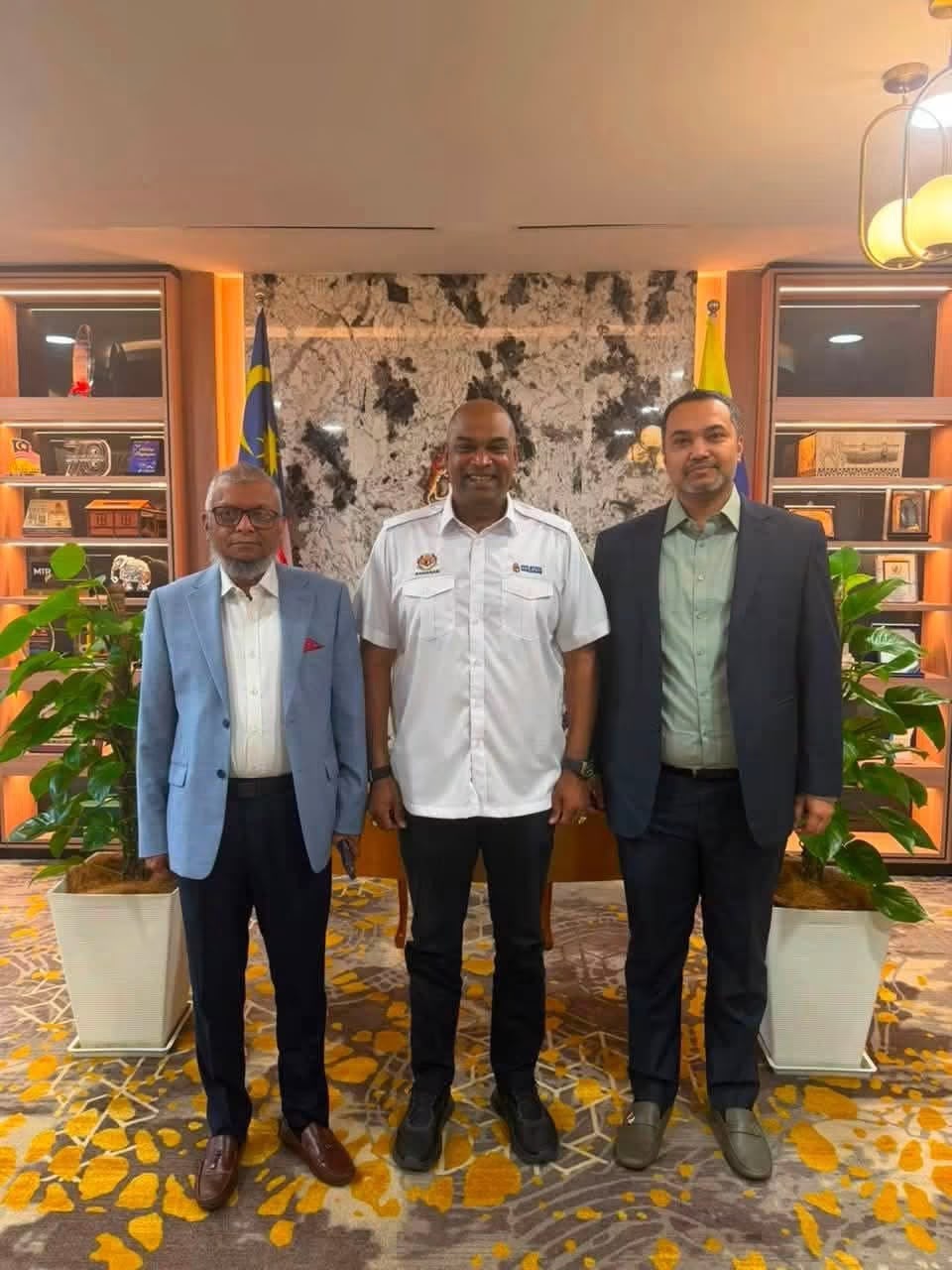
Malaysia’s Human Resources Minister R. Ramanan said the talks held on Tuesday in Putrajaya with Bangladesh’s Adviser for Expatriates’ Welfare and Overseas Employment Ariful Haque Chowdhury and Prime Minister’s Adviser Mahdi Amin were “highly positive and productive,” bringing both countries closer to a final agreement.

“We will probably reach a final decision tomorrow or the day after. Malaysia and Bangladesh will then announce that decision jointly or separately,” Ramanan told reporters.

The discussions focused on recruitment timelines, procedures, and the implementation of the existing Standard Operating Procedure (SOP). While the current Memorandum of Understanding (MoU) between the two countries remains valid until the end of this year, both sides agreed that addressing Malaysia’s immediate labour shortage is the priority rather than negotiating a new agreement.

According to Ramanan, Bangladesh is prepared to supply the required workforce, while Malaysia is facing acute labour shortages across several sectors, particularly in the food and beverage (F&B), services, and restaurant industries.

The latest development comes as Malaysian Prime Minister Anwar Ibrahim has directed the Human Resources Ministry and relevant agencies to resolve pending foreign worker recruitment applications—especially for the restaurant sector—within one month.

Acting on the prime minister’s directive, the ministry has accelerated efforts to remove administrative bottlenecks. Ramanan said he has set an internal target of completing the process within 20 days, ahead of the prime minister’s 30-day deadline, although the timeline will depend on security clearances, manpower assessments, and other mandatory regulatory procedures.

Speaking earlier on Tuesday at SJKT Ladang Senawang in Negeri Sembilan, the minister reiterated that protecting employment opportunities for Malaysian citizens remains the government’s highest priority.

He said all job vacancies must first be offered to local workers. Foreign workers will only be recruited when employers can demonstrate that suitable Malaysian candidates are unavailable and all legal requirements have been fulfilled.

Responding to questions regarding proposals to allow legally recognised Rohingya refugees to work in Malaysia, Ramanan reaffirmed that the government’s position remains unchanged, stressing that employment opportunities for Malaysians must be fully safeguarded before expanding foreign labour recruitment.

Malaysia continues to regulate foreign worker employment under a quota system. Under the 12th Malaysia Plan (12MP), foreign workers are capped at 15 percent of the country’s total workforce, while the 13th Malaysia Plan (13MP) targets reducing that share to 10 percent by 2030.

The expected decision is being closely watched in both countries, as it could mark a significant breakthrough in reopening Malaysia’s labour market to Bangladeshi workers after a prolonged period of uncertainty. Industry observers believe a positive outcome would help address Malaysia’s labour shortages while creating renewed overseas employment opportunities for thousands of Bangladeshi job seekers.
Tag :
Popular Post

Malaysia Nears Decision on Resuming Bangladeshi Worker Recruitment as Bilateral Talks Progress

Update Time : 03:39:56 pm, Wednesday, 29 July 2026

Malaysia is expected to announce a final decision on the recruitment of Bangladeshi workers within the next one or two days, following high-level discussions between officials from Bangladesh and Malaysia aimed at resolving the prolonged suspension of worker intake.

Malaysia’s Human Resources Minister R. Ramanan said the talks held on Tuesday in Putrajaya with Bangladesh’s Adviser for Expatriates’ Welfare and Overseas Employment Ariful Haque Chowdhury and Prime Minister’s Adviser Mahdi Amin were “highly positive and productive,” bringing both countries closer to a final agreement.

“We will probably reach a final decision tomorrow or the day after. Malaysia and Bangladesh will then announce that decision jointly or separately,” Ramanan told reporters.

The discussions focused on recruitment timelines, procedures, and the implementation of the existing Standard Operating Procedure (SOP). While the current Memorandum of Understanding (MoU) between the two countries remains valid until the end of this year, both sides agreed that addressing Malaysia’s immediate labour shortage is the priority rather than negotiating a new agreement.

According to Ramanan, Bangladesh is prepared to supply the required workforce, while Malaysia is facing acute labour shortages across several sectors, particularly in the food and beverage (F&B), services, and restaurant industries.

The latest development comes as Malaysian Prime Minister Anwar Ibrahim has directed the Human Resources Ministry and relevant agencies to resolve pending foreign worker recruitment applications—especially for the restaurant sector—within one month.

Acting on the prime minister’s directive, the ministry has accelerated efforts to remove administrative bottlenecks. Ramanan said he has set an internal target of completing the process within 20 days, ahead of the prime minister’s 30-day deadline, although the timeline will depend on security clearances, manpower assessments, and other mandatory regulatory procedures.

Speaking earlier on Tuesday at SJKT Ladang Senawang in Negeri Sembilan, the minister reiterated that protecting employment opportunities for Malaysian citizens remains the government’s highest priority.

He said all job vacancies must first be offered to local workers. Foreign workers will only be recruited when employers can demonstrate that suitable Malaysian candidates are unavailable and all legal requirements have been fulfilled.

Responding to questions regarding proposals to allow legally recognised Rohingya refugees to work in Malaysia, Ramanan reaffirmed that the government’s position remains unchanged, stressing that employment opportunities for Malaysians must be fully safeguarded before expanding foreign labour recruitment.

Malaysia continues to regulate foreign worker employment under a quota system. Under the 12th Malaysia Plan (12MP), foreign workers are capped at 15 percent of the country’s total workforce, while the 13th Malaysia Plan (13MP) targets reducing that share to 10 percent by 2030.

The expected decision is being closely watched in both countries, as it could mark a significant breakthrough in reopening Malaysia’s labour market to Bangladeshi workers after a prolonged period of uncertainty. Industry observers believe a positive outcome would help address Malaysia’s labour shortages while creating renewed overseas employment opportunities for thousands of Bangladeshi job seekers.