Dhaka 5:29 pm, Friday, 14 August 2026
Bangla

Govt moves to restructure security framework at Shahjalal Intl Airport

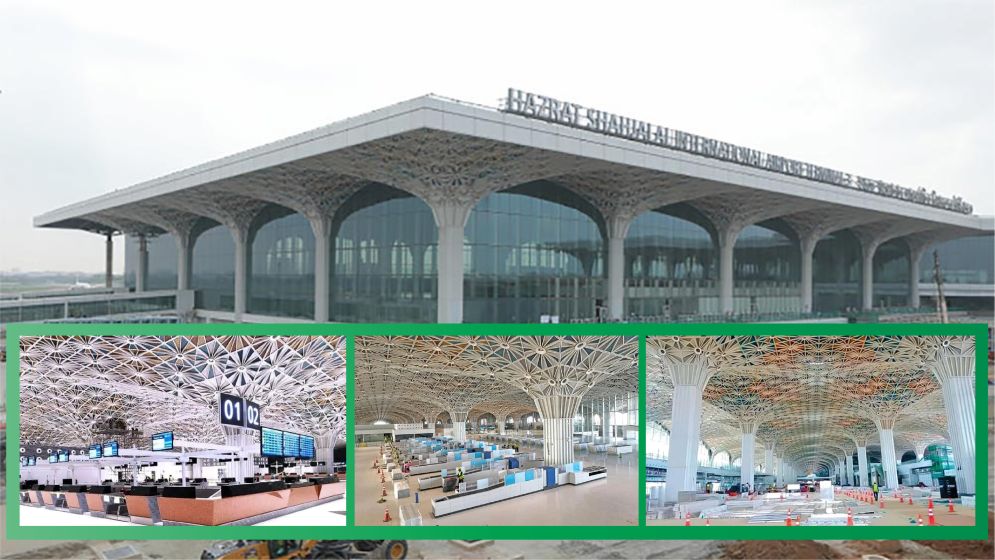
The government has decided to bring about major changes to the security architecture of Hazrat Shahjalal International Airport (HSIA). In a policy decision, the presence of Bangladesh Air Force personnel, who have been deployed under “Aid to Civil Power,” will be significantly scaled back.

In the first phase, approximately 50% of the 1,450 currently deployed Air Force personnel will be withdrawn. Following a subsequent operational evaluation, one-third of the remaining members will also be recalled.

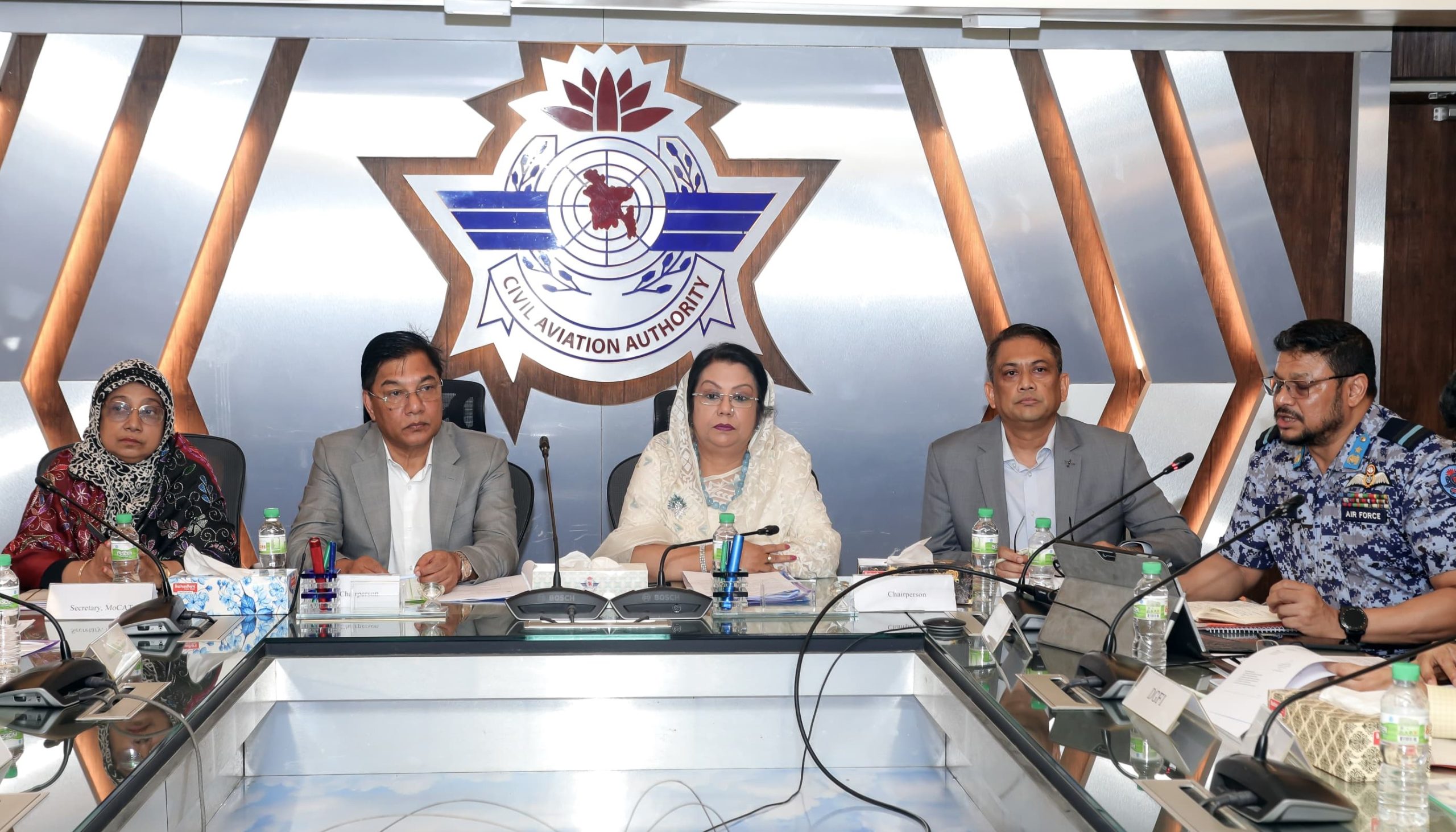
These resolutions were finalized on Thursday during the inaugural meeting of the reconstituted National Civil Aviation Security Committee (NCASC) held at the Civil Aviation Authority of Bangladesh (CAAB) headquarters, marking the committee’s first convening in three years. The plan aims to gradually reduce reliance on a heavy military footprint by strengthening the capabilities of CAAB’s dedicated Aviation Security (AvSec) unit, the Airport Armed Police Battalion (APBn), and other regular law enforcement agencies. Aviation experts emphasize that, in alignment with international standards, airport security leadership should fundamentally rest with civilian authorities.

Kazi Wahidul Alam, Aviation Expert: “While the military is exceptionally effective in crisis management, the long-term security operations of an international airport should ideally rest with civilian security agencies and specialized aviation security units. This ensures clarity in accountability and command structures. Multiple parallel authorities create decision-making ambiguity. In sensitive installations like airports, a unified command and clear allocation of responsibilities are paramount.”

Afroza Khanam, Minister for Civil Aviation and Tourism: “We want to ensure effective coordination among all agencies. This decision aims to eliminate imbalances where the presence of one force is disproportionately high while another is low. This is a continuous process, and further meetings involving all security stakeholders will be held very shortly.”

According to official sources, a primary driver for restructuring the airport’s security framework is resolving prolonged inter-agency coordination challenges. The withdrawal of Air Force personnel will occur in two distinct stages- withdrawal of 50 percent of the total deployed personnel and three months later, half of the remaining personnel will be recalled, ultimately reducing the active Air Force deployment to one-quarter of its current strength.

This blueprint is designed to build a sustainable, regular security posture by bolstering CAAB’s internal security framework and the AvSec unit.

Following the political transition on August 5, 2024, and a subsequent work stoppage by Ansar personnel, the Bangladesh Air Force assumed security responsibilities at HSIA. However, this transition sparked internal turf wars and friction regarding jurisdictional authority, internal control, and law enforcement powers between the APBn and the Air Force.

Friction escalated over access to sensitive areas, operations, and administrative functions—culminating in formal General Diaries (GDs) filed by the APBn at the airport police station over restricted access and office occupation, a dispute that eventually reached the courts.

On January 12, 2025, Supreme Court lawyer Mohammad Siddiqullah Miah served a legal notice to eight respondents—including the secretaries of the Ministry of Civil Aviation and Tourism, Ministry of Home Affairs, Ministry of Finance, and the Chief of Air Staff—demanding the reinstatement of the APBn and the withdrawal of Air Force personnel.

Under the newly formulated guidelines, civilian agencies will spearhead daily security, law enforcement, and administrative control at the airport.

To address emergency scenarios, a special Memorandum of Understanding (MOU) is being drafted. This framework will ensure that in the event of major security crises or national security threats, armed forces personnel can be redeployed rapidly without protracted administrative delays.

A senior ministry official noted: “Under normal circumstances, civilian agencies will lead airport security. However, to guarantee that armed forces support can be mobilized instantly if a major security crisis arises, this special arrangement is being put in place.”

Stakeholders believe this transition will permanently resolve long-standing jurisdictional conflicts and eliminate command-and-control ambiguities at the country’s primary gateway. (Source-Dainik Jugantor)
Tag :

Govt moves to restructure security framework at Shahjalal Intl Airport

Update Time : 09:59:42 am, Friday, 7 August 2026

The government has decided to bring about major changes to the security architecture of Hazrat Shahjalal International Airport (HSIA). In a policy decision, the presence of Bangladesh Air Force personnel, who have been deployed under “Aid to Civil Power,” will be significantly scaled back.

In the first phase, approximately 50% of the 1,450 currently deployed Air Force personnel will be withdrawn. Following a subsequent operational evaluation, one-third of the remaining members will also be recalled.

These resolutions were finalized on Thursday during the inaugural meeting of the reconstituted National Civil Aviation Security Committee (NCASC) held at the Civil Aviation Authority of Bangladesh (CAAB) headquarters, marking the committee’s first convening in three years. The plan aims to gradually reduce reliance on a heavy military footprint by strengthening the capabilities of CAAB’s dedicated Aviation Security (AvSec) unit, the Airport Armed Police Battalion (APBn), and other regular law enforcement agencies. Aviation experts emphasize that, in alignment with international standards, airport security leadership should fundamentally rest with civilian authorities.

Kazi Wahidul Alam, Aviation Expert: “While the military is exceptionally effective in crisis management, the long-term security operations of an international airport should ideally rest with civilian security agencies and specialized aviation security units. This ensures clarity in accountability and command structures. Multiple parallel authorities create decision-making ambiguity. In sensitive installations like airports, a unified command and clear allocation of responsibilities are paramount.”

Afroza Khanam, Minister for Civil Aviation and Tourism: “We want to ensure effective coordination among all agencies. This decision aims to eliminate imbalances where the presence of one force is disproportionately high while another is low. This is a continuous process, and further meetings involving all security stakeholders will be held very shortly.”

According to official sources, a primary driver for restructuring the airport’s security framework is resolving prolonged inter-agency coordination challenges. The withdrawal of Air Force personnel will occur in two distinct stages- withdrawal of 50 percent of the total deployed personnel and three months later, half of the remaining personnel will be recalled, ultimately reducing the active Air Force deployment to one-quarter of its current strength.

This blueprint is designed to build a sustainable, regular security posture by bolstering CAAB’s internal security framework and the AvSec unit.

Following the political transition on August 5, 2024, and a subsequent work stoppage by Ansar personnel, the Bangladesh Air Force assumed security responsibilities at HSIA. However, this transition sparked internal turf wars and friction regarding jurisdictional authority, internal control, and law enforcement powers between the APBn and the Air Force.

Friction escalated over access to sensitive areas, operations, and administrative functions—culminating in formal General Diaries (GDs) filed by the APBn at the airport police station over restricted access and office occupation, a dispute that eventually reached the courts.

On January 12, 2025, Supreme Court lawyer Mohammad Siddiqullah Miah served a legal notice to eight respondents—including the secretaries of the Ministry of Civil Aviation and Tourism, Ministry of Home Affairs, Ministry of Finance, and the Chief of Air Staff—demanding the reinstatement of the APBn and the withdrawal of Air Force personnel.

Under the newly formulated guidelines, civilian agencies will spearhead daily security, law enforcement, and administrative control at the airport.

To address emergency scenarios, a special Memorandum of Understanding (MOU) is being drafted. This framework will ensure that in the event of major security crises or national security threats, armed forces personnel can be redeployed rapidly without protracted administrative delays.

A senior ministry official noted: “Under normal circumstances, civilian agencies will lead airport security. However, to guarantee that armed forces support can be mobilized instantly if a major security crisis arises, this special arrangement is being put in place.”

Stakeholders believe this transition will permanently resolve long-standing jurisdictional conflicts and eliminate command-and-control ambiguities at the country’s primary gateway. (Source-Dainik Jugantor)