Dhaka 7:18 pm, Tuesday, 17 November 2026
Bangla

Malaysia labour market reopening sparks fresh syndicate fears, calls grow for transparent recruitment

TO GO WITH Finance-economy-SAsia-remittances,FOCUS by Shafiq Alam (FILES) This file photo taken on December 25, 2007 shows Bangladeshi migrant workers waiting in line for food donated by a goodwill charity group for Christmas outside the Bangladeshi High Commission in Kuala Lumpur. The global economic crisis is putting a dent in funds sent to poor South Asian countries by nationals working abroad amid fears their armies of cheap workers will become redundant, say recruitment agents. Millions of families in Bangladesh, Nepal and Sri Lanka rely on remittances from relatives working in construction or as domestic servants in booming southeast Asian and Gulf nations. AFP PHOTO / FILES / TENGKU BAHAR

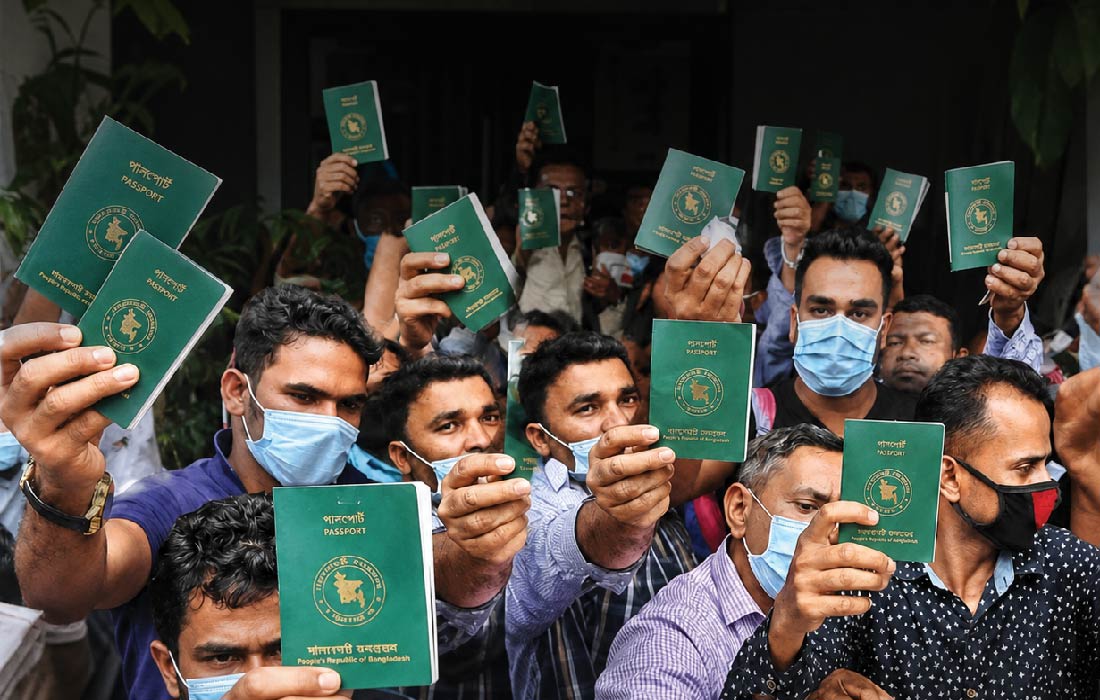
Bangladesh’s planned reopening of labour recruitment to Malaysia has reignited debate within the overseas employment sector, with recruiting agency owners and migration experts urging the government to ensure a transparent, competitive and worker-centred recruitment process while preventing the emergence of a new recruitment syndicate.

The discussion comes as the Ministry of Expatriates’ Welfare and Overseas Employment continues its crackdown on irregularities linked to previous recruitment exercises. As part of the drive, the ministry has cancelled the licences of 49 recruiting agencies, including firms allegedly associated with influential political figures from the previous administration. It has also decided in principle to exclude agencies linked to the controversial 101-member syndicate that previously controlled worker recruitment for Malaysia.

However, industry representatives argue that the reform process remains incomplete. They claim that 51 other agencies accused of similar irregularities have been allowed to retain their licences, raising concerns about consistency in enforcement.

Recruiting agency owners further allege that several blacklisted operators are attempting to re-enter the business through different company names or by using alternative licences. They have urged the government to bring those responsible for fraudulent recruitment practices to justice instead of limiting action to company licence cancellations.

Fresh concerns have also emerged over allegations that a new 25-member recruitment syndicate is being formed ahead of the reopening of the Malaysian labour market. According to industry sources, the alleged group includes agencies linked to influential political figures and prominent recruiting agency owners.

Sources have identified Mehedi Hasan of Comfort Overseas as a key organiser. They also alleged that Ruhul Amin Swapan of Cathersis International, whose licence remains suspended, along with his Malaysia-based associate Aminul Islam Bin Abdun Noor, may attempt to influence the recruitment process from behind the scenes. The allegations have not been independently verified.

The controversy has intensified over the government’s selection of recruiting agencies for the Malaysian market. Ministry officials acknowledged that no Bangladeshi recruiting agency initially met all ten eligibility criteria required by the Malaysian authorities.

According to State Minister for Expatriates’ Welfare and Overseas Employment Nurul Haque, Malaysia later relaxed three to four of those conditions. As a result, 260 agencies meeting seven criteria and 163 agencies meeting six criteria were considered eligible for selection.

The state minister defended the process, saying the shortlisted agencies were selected in accordance with the revised criteria agreed upon by the Malaysian authorities.

However, recruiting agency owners and labour migration experts argue that once the eligibility requirements were revised, the ministry should have issued a fresh public notice, allowing all licensed recruiting agencies to apply under the updated conditions. They contend that nearly 2,000 licensed recruiting agencies were effectively denied an equal opportunity to compete.

Industry leaders say the government’s ongoing review provides an opportunity to establish a new panel of recruiting agencies through a transparent and merit-based process that is open to all qualified firms.

Migration experts have also cautioned the government against officially announcing the reopening of Malaysia’s labour market before signing a formal bilateral agreement. They warned that premature announcements could encourage brokers to illegally collect money from prospective migrant workers.

Worker protection remains another major concern. Thousands of workers affected by the suspension of recruitment in May 2024 reportedly lost around Tk600,000 each, with many still awaiting compensation. Industry sources also allege that some prospective migrants are now being asked to pay an additional Tk150,000, despite the absence of a formal recruitment framework.

Malaysia remains one of Bangladesh’s most important overseas employment destinations and the country’s fourth-largest source of remittances. Bangladeshi workers in Malaysia remitted nearly US$3.5 billion during the last fiscal year.

Industry leaders believe Bangladesh has the potential to send up to 200,000 workers annually to Malaysia if recruitment is conducted through a transparent, competitive and accountable system that eliminates syndicate control and prioritises workers’ rights and welfare.
Tag :
Popular Post

Malaysia labour market reopening sparks fresh syndicate fears, calls grow for transparent recruitment

Update Time : 09:48:49 am, Friday, 7 August 2026

Bangladesh’s planned reopening of labour recruitment to Malaysia has reignited debate within the overseas employment sector, with recruiting agency owners and migration experts urging the government to ensure a transparent, competitive and worker-centred recruitment process while preventing the emergence of a new recruitment syndicate.

The discussion comes as the Ministry of Expatriates’ Welfare and Overseas Employment continues its crackdown on irregularities linked to previous recruitment exercises. As part of the drive, the ministry has cancelled the licences of 49 recruiting agencies, including firms allegedly associated with influential political figures from the previous administration. It has also decided in principle to exclude agencies linked to the controversial 101-member syndicate that previously controlled worker recruitment for Malaysia.

However, industry representatives argue that the reform process remains incomplete. They claim that 51 other agencies accused of similar irregularities have been allowed to retain their licences, raising concerns about consistency in enforcement.

Recruiting agency owners further allege that several blacklisted operators are attempting to re-enter the business through different company names or by using alternative licences. They have urged the government to bring those responsible for fraudulent recruitment practices to justice instead of limiting action to company licence cancellations.

Fresh concerns have also emerged over allegations that a new 25-member recruitment syndicate is being formed ahead of the reopening of the Malaysian labour market. According to industry sources, the alleged group includes agencies linked to influential political figures and prominent recruiting agency owners.

Sources have identified Mehedi Hasan of Comfort Overseas as a key organiser. They also alleged that Ruhul Amin Swapan of Cathersis International, whose licence remains suspended, along with his Malaysia-based associate Aminul Islam Bin Abdun Noor, may attempt to influence the recruitment process from behind the scenes. The allegations have not been independently verified.

The controversy has intensified over the government’s selection of recruiting agencies for the Malaysian market. Ministry officials acknowledged that no Bangladeshi recruiting agency initially met all ten eligibility criteria required by the Malaysian authorities.

According to State Minister for Expatriates’ Welfare and Overseas Employment Nurul Haque, Malaysia later relaxed three to four of those conditions. As a result, 260 agencies meeting seven criteria and 163 agencies meeting six criteria were considered eligible for selection.

The state minister defended the process, saying the shortlisted agencies were selected in accordance with the revised criteria agreed upon by the Malaysian authorities.

However, recruiting agency owners and labour migration experts argue that once the eligibility requirements were revised, the ministry should have issued a fresh public notice, allowing all licensed recruiting agencies to apply under the updated conditions. They contend that nearly 2,000 licensed recruiting agencies were effectively denied an equal opportunity to compete.

Industry leaders say the government’s ongoing review provides an opportunity to establish a new panel of recruiting agencies through a transparent and merit-based process that is open to all qualified firms.

Migration experts have also cautioned the government against officially announcing the reopening of Malaysia’s labour market before signing a formal bilateral agreement. They warned that premature announcements could encourage brokers to illegally collect money from prospective migrant workers.

Worker protection remains another major concern. Thousands of workers affected by the suspension of recruitment in May 2024 reportedly lost around Tk600,000 each, with many still awaiting compensation. Industry sources also allege that some prospective migrants are now being asked to pay an additional Tk150,000, despite the absence of a formal recruitment framework.

Malaysia remains one of Bangladesh’s most important overseas employment destinations and the country’s fourth-largest source of remittances. Bangladeshi workers in Malaysia remitted nearly US$3.5 billion during the last fiscal year.

Industry leaders believe Bangladesh has the potential to send up to 200,000 workers annually to Malaysia if recruitment is conducted through a transparent, competitive and accountable system that eliminates syndicate control and prioritises workers’ rights and welfare.