Special Correspondent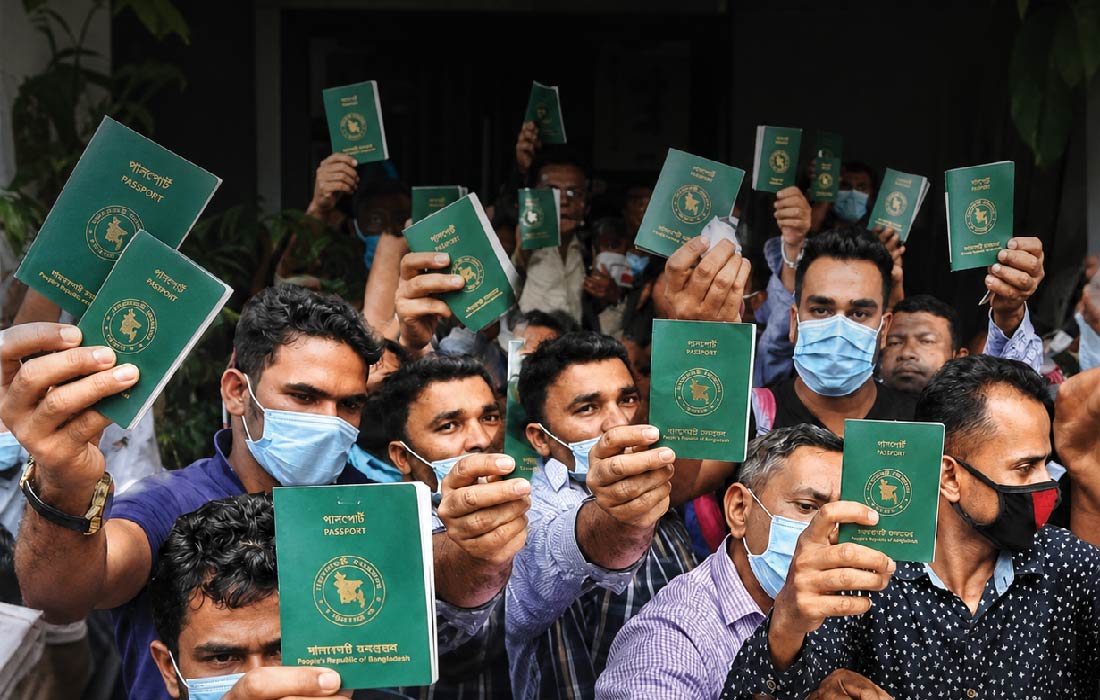
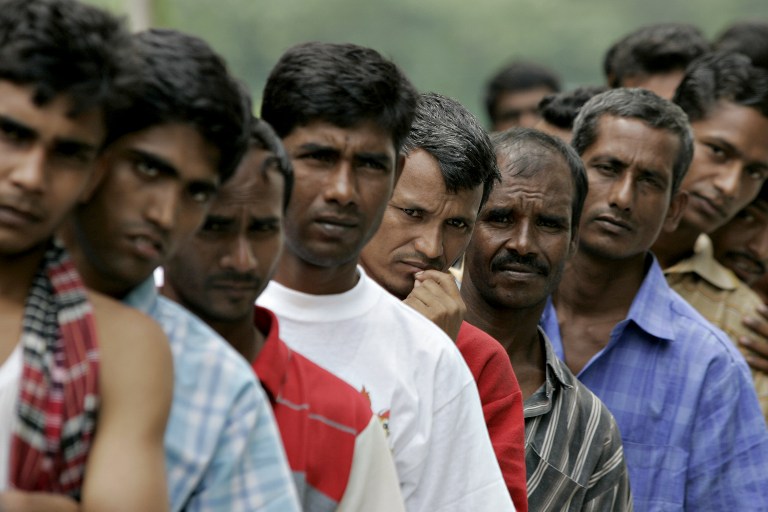
Three high-level visits to Malaysia, repeated government assurances of syndicate-free recruitment and a target to resume sending workers by August have yet to translate into a concrete mechanism for reopening the country’s labour market to Bangladeshi workers.
With August already halfway through, the government has not publicly announced the final recruitment process, raising concerns among migration-sector stakeholders that a limited group of recruiting agencies could gain privileged access to the lucrative Malaysian market.
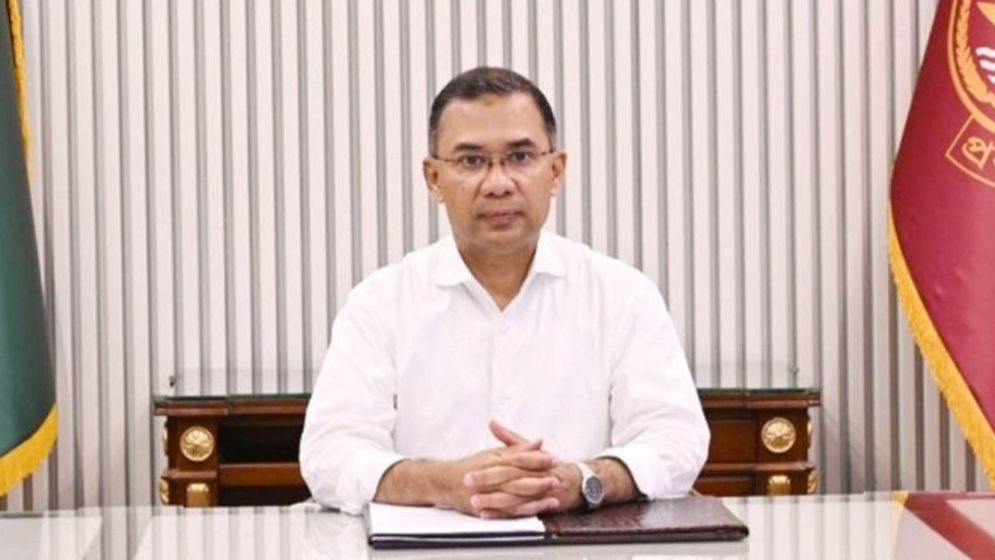
Since April, ministers and senior advisers have visited Kuala Lumpur several times to negotiate the resumption of recruitment. Following the latest visit by Expatriates’ Welfare and Overseas Employment Minister Ariful Haque Choudhury and Prime Minister’s Adviser Mahdi Amin, the government identified the last week of August as a “realistic target” for sending workers.
On July 30, Mahdi Amin said Malaysia had agreed to resume recruitment of Bangladeshi workers across all sectors, with the state-run Bangladesh Overseas Employment and Services Limited (BOESL) expected to receive priority during the initial phase.
However, the absence of a final recruitment mechanism has cast doubt over whether the August target can be met.
Concerns over a possible new syndicate
The recruitment process has also triggered fresh controversy.
The government has repeatedly pledged that the reopened Malaysian labour market would remain free from syndicates. However, sources within the Bangladesh Association of International Recruiting Agencies (BAIRA) said discussions are now centred on 25 recruiting agencies selected from a list of 423 agencies submitted to Malaysia during the previous interim government.
A responsible ministry official told Aviation Express that the 25 agencies had not formally been assigned recruitment responsibilities. However, the agencies had reportedly been asked by the minister to continue their “work”.
The basis for identifying the 25 agencies remains unclear.
Former BAIRA Joint Secretary General Mohammad Fakhrul Islam said recruiting agencies and other industry stakeholders had not been informed of any selection criteria.
“We do not know how these 25 recruiting agencies were selected. The minister had promised to keep the Malaysian labour market free from syndicates, but we now fear this could instead create a powerful syndicate,” he said.
BAIRA sources have also alleged that agencies owned by or associated with five BNP lawmakers and an influential party leader are among those seeking inclusion in the recruitment process. They named Metco Enterprise, Rupsa Enterprise, Air Way International, Alam Sons Limited, Khandaker Overseas and Surma International.
However, Aviation Express could not independently verify whether these agencies have been formally selected or whether alleged political connections influenced the process.
Migration costs raise stakes
The concerns are rooted in Malaysia’s troubled recruitment history.
Between 2021 and 2024, the government-fixed migration cost for a Bangladeshi worker travelling to Malaysia was Tk 78,990. The Anti-Corruption Commission, however, reportedly found that workers were being charged between Tk 500,000 and Tk 600,000.
The huge disparity between the official cost and the amount allegedly paid by workers highlights the financial stakes involved in controlling access to the Malaysian market.
Owners of several agencies reportedly under consideration have also alleged that two Malaysia-based individuals demanded 5 million Malaysian ringgit from each listed agency.
These allegations could not be independently verified.
BOESL’s capacity under scrutiny
The government has positioned BOESL as a potential safeguard against excessive migration costs, middlemen and irregularities in recruitment. But questions remain over whether the state-owned agency has sufficient manpower and infrastructure to handle large-scale recruitment for Malaysia.
BOESL Managing Director Mohammad Rashedul Haque said the agency’s main limitation was resources rather than institutional capacity.
“If the government provides us with the resources and facilities, we will be able to work on this because we have extensive experience and credibility in sending workers safely and at low cost,” he said.
The government now faces a crucial policy decision. If BOESL lacks the necessary capacity, additional resources and infrastructure could be provided to strengthen it. If private recruiters are required, transparent eligibility criteria and open competition among qualified agencies could offer a more credible alternative.
For migrant workers and the recruitment industry, the central concern is that reopening the Malaysian market should not simply replace one restricted recruitment network with another.
After three high-level missions and months of negotiations, workers are still waiting for a clear pathway to employment in Malaysia. The immediate question is therefore no longer only when the Malaysian labour market will reopen, but whether the reopening process will genuinely protect migrant workers from excessive costs and middlemen—or create another privileged recruitment network under the banner of a syndicate-free system.